Categories
Uncategorized

Apple Business Connect For Utah Businesses

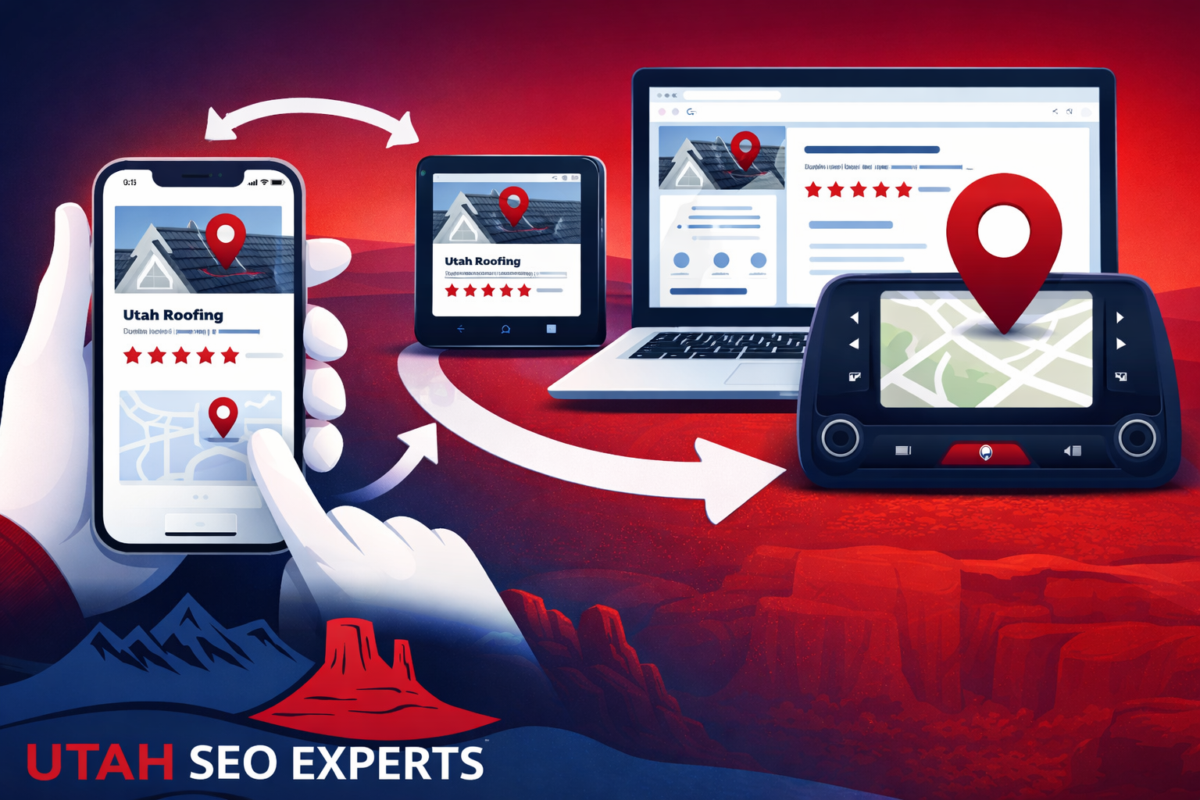
Utah buyers move fast and they switch screens without thinking. A homeowner in Lehi can find a roofer on an iPhone, check reviews on a work laptop, then tap directions on CarPlay. Apple Business Connect for Utah businesses puts your listing in front of that path, then Bing Places fills the gap on Microsoft devices.

Why Utah Brands Need More Than Google Maps

Google Maps still drives calls, yet local discovery now comes from several map surfaces. Apple Maps sits on every iPhone and iPad, plus CarPlay owns a big share of in-car navigation. Microsoft reaches people through Windows search, Edge, and Bing, which shapes office shortlists from Salt Lake City to Utah County.

Several market forces push map visibility beyond Google.

A State That Lives On iPhone Maps

Tourists rely on Apple Maps in Park City, hikers use it near Moab, and commuters lean on it along I-15. Many searches never reach a website, so the listing acts as the first impression. A weak profile can lose the lead before your site loads.

Desktop Research Still Sets The Shortlist

Procurement teams and property managers often start on a Windows machine. Bing and Windows search can surface a local pack that looks familiar, even for users who rarely type “Bing” into a browser. A missing listing hands that moment to a competitor.

What Apple Business Connect Changes

Apple Business Connect gives you direct control over how each location appears across Apple Maps and Apple apps. That control matters for multi-branch brands in the Wasatch Front, plus service firms that cover wide territories. The aim stays simple: accurate details, strong visuals, and clear actions.

Here are the profile elements that decide trust on Apple Maps.

Profile Fields That Win The Tap

  • Business name: Use the trading name customers see on signage and invoices. Keyword stuffing can look sloppy and it often attracts unwanted edits.
  • Category: Pick the closest match to what you sell today. A tight category set improves relevance for high-intent searches.
  • Address and service area: Add a street address for walk-in traffic, then set a service radius for mobile teams. Clear coverage cuts wasted calls from outside your range.
  • Hours: Publish standard trading times, then update for holidays, ski season peaks, or summer schedules. Accurate hours reduce negative reviews that mention closed doors.
  • Phone and website: Keep the main number stable so customers can reach you again. Point the URL to a location page that matches the listing.
  • Photos and logo: Post real storefront, team, and product shots that match current branding. Strong images help buyers decide on small screens.

A good Apple entry also supports brand memory. Repetition across maps, your website, and social profiles builds familiarity, which helps when prospects compare options in a crowded category. Utah service markets feel tight in peak seasons, so the business that looks ready often wins the call.

Offers and updates can support a wider content plan. Tie promotions to content marketing that sets expectations and answers buyer questions before the visit. A clear offer works best when the landing page matches the promise.

Verification And Access Control

Treat verification like a security task, not a quick form. Apple uses different checks, so assign a single owner who holds credentials and approves structural edits. Role-based access lets local managers update hours and photos without full control of the account.

Why Bing Places Still Matters In Utah

Bing Places for Business extends your reach across Bing Maps and Microsoft surfaces. The channel often brings fewer visits than Google, yet the intent can run high. Many office buyers keep default settings, so your listing shows up without any change in their habits.

The Utah use cases below show where a Microsoft listing pays off.

Office Buyers And B2B Leads

Commercial services, IT providers, legal firms, and medical groups all feel the desktop effect. A search from a workplace device can start the shortlist, then a mobile map app closes the loop later that day. Presence on Microsoft surfaces supports that full arc.

Resilience When A Platform Shifts

Google profiles can face suspensions, user edits, or category changes. Extra coverage on Apple and Microsoft reduces single-platform risk. Leadership teams gain stability when listings stay accurate across multiple sources.

Support For SEO And Measurement

Citations still play a role in local authority. Consistent name, address, and phone details across Apple and Microsoft can support SEO work that targets better rankings and stronger lead quality. Measurement improves when tagged URLs and call logs cover every map surface, not only Google.

A Rollout Plan For Multi-Location Teams

Multi-location brands often struggle with drift. One manager updates hours, another swaps a phone number, and a third uploads old photos. A simple governance model keeps details consistent and protects the brand.

Here is a rollout plan that keeps details consistent at scale.

Governance That Holds Up Under Growth

  • Ownership: Assign one internal owner for account access, approvals, and security. Give branch managers limited rights for hours and photos.
  • Source of truth: Maintain a master record for names, addresses, phone numbers, categories, and URLs. Use that record for every platform update.
  • Review cadence: Run a monthly check for duplicates, edits, and outdated images. A short audit beats a crisis response after calls drop.
  • Location pages: Build a dedicated page for each branch with matching contact details and service focus. Send map traffic to that page, not the home page.
  • Reporting: Track calls, direction requests, and website actions against revenue outcomes. Trend lines over quarters guide budget choices.

Utah seasonality rewards planning. Hours and staffing often change around ski openings, university schedules, and big events in Salt Lake City. A calendar for listing updates keeps that reality visible, so customers see the right details at the right time.

Bring the rollout under your wider digital plan. Connect listing work to digital marketing onboarding so goals, tracking, and ownership stay clear from day one. That link keeps paid, organic, and listings work aligned.

Conclusion

Utah growth brings more competition and more device choices for buyers. Apple Business Connect for Utah businesses and Bing Places give your brand coverage where discovery happens on iPhone and Windows screens. Strong listings support SEO, lift digital marketing performance, and give content marketing a cleaner path to conversion.
Categories
Uncategorized

The Complete Guide to Creating, Verifying, and Fully Optimizing a Google Business Profile for Brick-and-Mortar Businesses

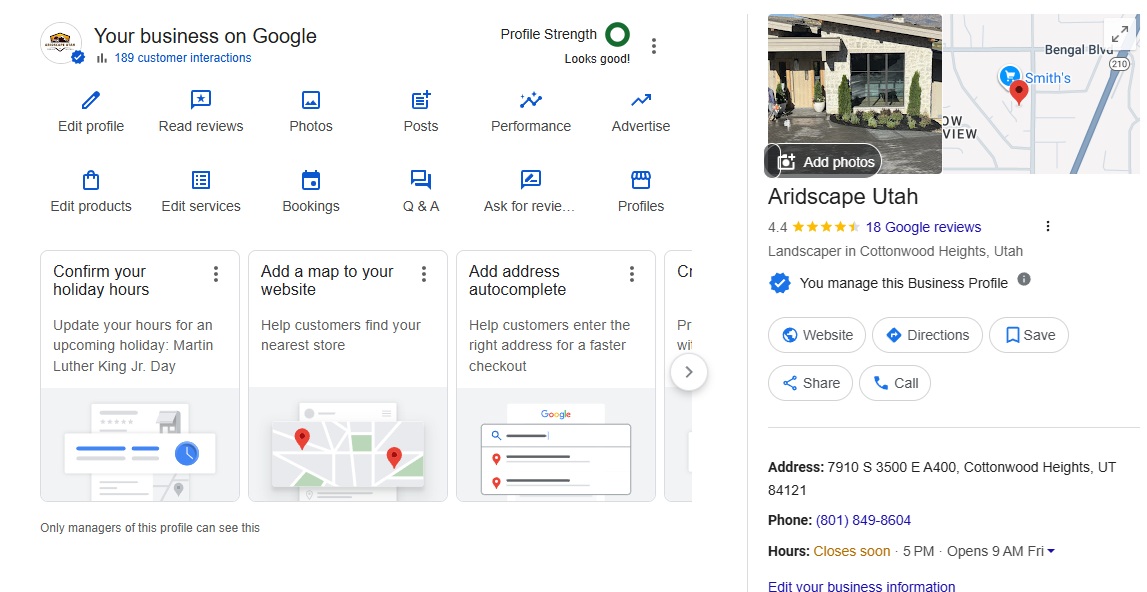
If customers physically walk into your location, your Google Business Profile (GBP) is your most valuable digital asset.

Not your website.
Not social media.
Not ads.

Your Google listing determines:

  • Whether you appear in the Map Pack

  • Whether customers trust you

  • Whether they call

  • Whether they request directions

  • Whether they book

  • Whether they walk in

And for high-ticket industries like dentistry or med spas, that can mean thousands of dollars per customer.

This guide walks through everything a storefront business must know — setup, verification, optimization, conversion strategy, and competitive domination.


Section 1: Understanding How Google Ranks Local Businesses

Before touching settings, understand this:

Google’s local algorithm is built on three pillars:

  1. Relevance

  2. Distance

  3. Prominence

Distance you cannot control.

Relevance and prominence? You absolutely can.

Google decides:

  • What you are (category + services)

  • Where you operate (address + geo signals)

  • How authoritative you are (reviews, engagement, consistency)

Everything below influences those three pillars.


Section 2: Proper Setup for Location-Based Businesses

Start at:
https://www.google.com/business/

Use the Right Google Account

Use a permanent business-controlled email.
Not an old personal Gmail.
Not your receptionist’s account.

Ownership issues later are painful.


Choosing the Correct Business Type

If customers come to you, you:

  • Show your physical address

  • Do NOT hide address

  • Do NOT mark yourself as service-area-only

  • Must have signage

  • Must operate during posted hours

Google verifies physical legitimacy.

If you fake a location, you will eventually get suspended.


Section 3: Category Selection — The Most Important Ranking Decision

Your primary category is the strongest ranking signal in your profile.

Choose the most specific accurate option.

Examples:

Restaurant → “Mexican Restaurant” > “Restaurant”

Dental Office → “Dentist” or “Cosmetic Dentist” (based on focus)

Retail → “Gun Shop” or “Clothing Store”

Gym → “Gym” or “Fitness Center”

Do not try to be everything.

You get ONE primary category.

Secondary categories expand relevance but do not override the primary one.


What Happens If You Choose Wrong?

You rank for the wrong searches.
Or not at all.

Category misalignment is one of the most common ranking killers.


Section 4: Verification — How to Avoid Suspension

Google increasingly requires video verification.

For storefront businesses, you must show:

  • Exterior signage

  • Street and surrounding area

  • Interior

  • Equipment

  • Staff access

  • Proof of business operation

Restaurants should show:

  • Kitchen

  • POS system

  • Dining area

Dental offices should show:

  • Treatment rooms

  • Equipment

  • Reception desk

Retail stores should show:

  • Inventory

  • Checkout system

  • Signage

If you cannot prove physical legitimacy, you risk suspension.


Section 5: Core Optimization (Where Most Businesses Stop Too Early)

Now we build relevance.


Business Name (Do NOT Keyword Stuff)

Your business name must match:

  • Legal registration

  • Signage

  • Website

  • Citations

Adding “Best Dentist in St. George” to your name may boost rankings temporarily — but suspension risk is high.

Google cross-checks data sources.


Business Description (750 Characters of Strategy)

This is not fluff space.

Include:

  • What you do

  • Your city

  • Nearby cities

  • Specialties

  • Unique selling proposition

  • Years in business

Example for dentist:

Family-owned dental office in St. George, Utah providing cosmetic dentistry, dental implants, Invisalign, and emergency dental care. Serving Washington County for over 15 years.

Natural keyword inclusion improves relevance.


Hours and Special Hours

This affects trust and engagement.

Incorrect hours reduce confidence.

Restaurants especially must:

  • Update holidays

  • Update seasonal changes

  • Adjust for closures

Frequent hour mismatches can reduce engagement and ranking.


Section 6: Services, Menus, and Products (Deep Relevance Signals)

This is where ranking power compounds.


For Restaurants

Restaurants have advanced GBP features.

Use them fully.

Structured Menu (Not Just PDF)

Google parses structured menu entries.

That means you can rank for:

  • “gluten free pizza near me”

  • “vegan Thai food”

  • “wood fired steak”

If those items are structured, Google associates your restaurant with them.

PDF menus do not provide the same structured signal.


Reservation & Ordering Integration

Use:

  • OpenTable

  • Toast

  • Online ordering platforms

Google favors frictionless booking.

Higher engagement = stronger prominence signals.


For Retail Stores

Retail stores should use the Products feature.

Add:

  • Product photos

  • Prices

  • Descriptions

  • Categories

If you sell brands (e.g., firearms, apparel, supplements), mention brand names in product listings.

Retail listings that use product features see higher click-through rates.


For Dental Offices & Medical Clinics

This is critical for high-ticket industries.

Add structured services:

  • Dental implants

  • Teeth whitening

  • Invisalign

  • Root canal therapy

  • Emergency dentist

Google uses service entries to match search queries.

If someone searches “Emergency dentist near me,” and you have that service structured, you increase relevance.


Section 7: Photos & Videos — Engagement Drives Ranking

Google tracks interaction with your media.

Minimum recommendations:

Exterior:

  • Day photo

  • Night photo

Interior:

  • Reception

  • Treatment rooms (medical)

  • Dining area (restaurants)

Staff:

  • Team photos

  • Provider photos

Ongoing:

  • Weekly new images

Restaurants should upload new food photography regularly.

Dental offices should show technology and patient-friendly environment.

Fresh content signals active management.


Section 8: Reviews — The Primary Prominence Signal

Reviews influence:

  • Ranking

  • Trust

  • Conversion rate

You must:

  • Ask every satisfied customer

  • Send direct review links

  • Use QR codes

  • Respond to every review

Response signals activity.

Unanswered reviews reduce perceived engagement.


Section 9: Google Posts — Activity Signals

Most businesses ignore this.

Post weekly:

  • Promotions

  • Events

  • Seasonal items

  • New services

  • Announcements

Posts keep your listing active and provide new engagement opportunities.

Inactive listings gradually lose competitive ground.


Section 10: Q&A Section — Underutilized SEO Lever

Seed your own Q&A.

Example:

Restaurant:
“Do you offer gluten-free options?”

Dentist:
“Do you accept Delta Dental insurance?”

Gym:
“Do you offer personal training?”

Google indexes these questions.

They help match long-tail searches.


Section 11: Conversion Optimization (Beyond Rankings)

Ranking is not enough.

Your listing must convert.

Add:

  • Booking links

  • Clear calls to action

  • Updated hours

  • Professional imagery

  • Detailed services

Google wants to surface businesses users engage with.

Higher engagement reinforces ranking.


Section 12: Advanced Competitive Strategy

If you want to dominate your local market:

  1. Audit top 3 competitors.

  2. Compare:

    • Category selection

    • Review count

    • Service depth

    • Photo volume

    • Posting frequency

Then exceed them in every category.


Build Supporting Website Authority

Your website should:

  • Embed your Google Map

  • Use consistent NAP

  • Have city + service pages

  • Link to booking

  • Use schema markup

GBP and website authority work together.


Section 13: Common Ranking Killers

  • Keyword stuffing name

  • Duplicate listings

  • Incorrect categories

  • Inconsistent NAP

  • No updates

  • Fake reviews

  • Unverified ownership

  • Wrong address formatting

Suspensions are rising.

Operate clean.


Section 14: Maintenance Schedule

Weekly:

  • 1 post

  • 1 photo

  • Respond to reviews

  • Check insights

Monthly:

  • Update services

  • Analyze competitors

  • Refresh media

Quarterly:

  • Full audit

  • Category review

  • Citation consistency check


The Final Reality

Brick-and-mortar businesses that fully optimize their Google Business Profile dominate:

  • Map Pack

  • Direction requests

  • Walk-ins

  • High-value procedures

  • Repeat business

Businesses that treat GBP like a “set it and forget it” listing lose visibility over time.

Google rewards activity, completeness, and engagement.

Categories
Uncategorized

How Zero-Click Searches Change Lead Quality For Utah Businesses

A buyer searches “emergency plumber near me” and gets a phone button, map listing, hours, reviews, and a short AI answer. No site visit happens. A call still comes through.

That pattern is no longer rare. It is a core part of how people shortlist providers, compare options, and make contact. Senior teams feel the impact in softer numbers too. Leads feel different. Sales calls start later in the decision cycle. Marketing reports show less traffic, then pipeline stays steady, then finance asks why the story looks messy.

Zero-click behaviour does not mean zero revenue. It means the journey has shifted. Lead quality now depends on how strong your presence looks inside Google, not only on your site.

What Zero-Click Searches Means For Local Buying In Utah

Zero-click refers to searches where Google satisfies the intent on the results page. The action can still happen. It often happens faster.

Utah’s market adds its own flavour. Many service areas span multiple cities. Outdoor and home services face seasonal surges. Word of mouth still matters, then Google confirms the choice.

Here are the key ways zero-click behaviour shows up for local buyers.

The Click Gets Replaced By A Tap Or Call

Searchers can call from the results page, request directions, or message a business. A website visit never appears in analytics. Revenue still arrives.

A practical outcome follows. Your marketing team needs reporting that tracks outcomes beyond sessions.

AI Summaries Change How People Compare Providers

AI answers compress research time. Buyers can move from “learn” to “choose” fast. The tone of the summary, the sources it cites, and the businesses it surfaces can sway preference.

Brand perception now forms inside the search result itself.

Maps And Local Packs Become The Primary Shop Window

For many queries, the map pack draws the eye first. Reviews, photos, service categories, and proximity dominate attention. A weaker listing can lose enquiries even with a strong site.

Why Lead Quality Changes When Clicks Drop

Traffic used to act as the early indicator. A dip in visits signalled lower demand. That link no longer holds.

The quality shift shows up in three ways.

Here are the main components that drive the change.

Prospects Arrive With Higher Intent

A person who calls from search often wants a near-term booking. That contact tends to include location, timing, and price questions. The call feels more decisive.

Sales teams can treat these leads as late-stage conversations. Training should match that reality.

Fewer “Research” Visits Reduce Soft Signals

Some buyers still browse sites, then return later. Yet many early clicks vanish. That reduces form fills for guides, newsletter sign-ups, and chat starts.

Demand still exists. The signals sit elsewhere, mainly in listing views, calls, direction requests, and review reads.

Attribution Gets Messier Across Channels

A paid ad can spark a brand search. The brand search triggers a map result. The call comes from the listing. Analytics can credit “organic” or “direct” even if paid media triggered the chain.

Executive reporting needs a model that reflects influence, not only last click.

Where Zero-Click Shows Up Most For Utah Industries

Local intent leads the trend. Service queries, urgent needs, and “near me” searches lean heavily toward calls and map actions.

These are common Utah categories where zero-click can shape pipeline.

Home Services And Emergency Trades

Roofing, plumbing, HVAC, electrical, pest control, water damage, and locksmith work often start with urgency. Google provides quick action buttons and review context. A single negative photo can cost an enquiry.

Legal, Medical, And Local Professional Services

Many prospects want reassurance before a call. Reviews, credentials, and visible expertise matter. AI summaries may pull from third-party sources, then shape trust before a site visit.

Outdoor, Tourism, And Destination Businesses

People plan trips from mobile. Maps, hours, peak times, and photos answer many questions. Direction taps can replace a site session.

What To Measure When Website Sessions Fall

Leadership teams still need clarity. The goal stays the same. Revenue, margin, retention, and forecast accuracy.

Here are the metrics that deserve board-level attention.

Primary Outcome Metrics

  • Qualified calls and call duration
  • Booked jobs and show rates
  • Quote acceptance rate
  • Cost per booked job by channel
  • Repeat customer share

Search Visibility And Trust Signals

  • Listing views and actions
  • Direction requests by service area
  • Photo views and uploads
  • Review volume and rating trend
  • Brand search volume over time

Website Metrics That Still Matter

  • Conversion rate on high-intent pages
  • Form completion quality
  • Phone clicks on mobile
  • Page speed and index coverage

Zero-Click Tracking Framework For Clearer Reporting

Tools can help, yet the structure matters more than another dashboard. A strong framework ties search actions to real outcomes.

The following steps support clean reporting and better decisions.

Map Key Journeys From Search To Sale

List the paths buyers take. Keep the language simple.

  • Call from listing, then booking
  • Direction request, then walk-in
  • Site visit, then form, then call
  • Paid click, then brand search, then call

Connect Call Data To CRM Records

Call tracking numbers help, yet they can distort SEO signals if set up poorly. A balanced approach works well. Use dynamic numbers on site. Keep a consistent primary number in your listing. Store source and outcome in CRM.

Use UTM Tags For Listing Links

Add UTM parameters to the listing website link and appointment links. That keeps analytics cleaner and supports channel reporting.

Track Review Impact On Lead Quality

Correlate review themes with call outcomes. Sales teams hear objections first. Marketing teams can address them in responses, service pages, and photos.

Table: How Buyer Signals Shift In Zero-Click Search

Stage In Journey Classic Website-Heavy Signal Zero-Click Signal In Search Results What To Watch Internally
Early research Blog reads and time on page Review reads and photo views Brand lift and reputation trend
Shortlisting Multiple page visits Map pack comparisons Listing completeness and rating
Contact Form fills Tap-to-call and messages Call quality and booked rate
Visit Location page traffic Direction requests Service area demand by suburb
Trust check Testimonials page Review responses and Q&A Objection themes and close rate

Practical Moves That Improve Lead Quality Inside Google

A strong website still helps. The result page now plays a larger role in shaping trust and action.

Here are the actions that tend to improve lead quality for Utah firms.

Strengthen Your Listing Experience

Start with one clean reference. Use your Google Business Profile once, then rely on GBP after that.

  • Update categories to match real services
  • Add photos that show teams, vehicles, job sites, and finished work
  • Publish posts that answer common buying questions
  • Fill services and products sections with clear language
  • Add appointment links where they fit your process

Build Review Volume With A Clear Ask

Ask at the right moment. A simple message works. A consistent habit beats a fancy campaign.

  • Request reviews after a clear win
  • Reply to every review with care
  • Address service area details in replies
  • Encourage photos from happy clients

Write Content That AI Can Cite With Confidence

AI summaries pull from sources that feel trustworthy. Your site can support that by focusing on proof.

  • Real project examples with outcomes
  • Clear service definitions per city or suburb
  • Pricing ranges with context and constraints
  • Staff credentials and licences
  • Safety, warranty, and response times

Improve Conversion Friction For High-Intent Visitors

Some prospects still reach the site. Make that moment count.

  • Place phone and booking options above the fold
  • Keep forms short, then qualify in follow-up
  • Publish clear service area coverage
  • Use plain English on key pages

What Executives Should Ask Their Marketing Team

Senior leaders can steer better decisions with sharper questions.

  • Which channels influence booked jobs, not only leads
  • Which suburbs show growth in direction requests
  • What review themes correlate with close rate changes
  • Which services attract the longest calls
  • How often do AI answers mention our brand or competitors

A clear answer needs shared data, shared language, and shared accountability.

Closing View For Utah Business Leaders

Zero-click search pushes decision-making into Google’s results page. That shift changes how leads look, how tracking works, and how teams explain performance.

Revenue still comes from trust, responsiveness, and strong service delivery. The main difference is where trust forms. A modern approach treats search results as a primary brand surface, then measures outcomes with the same discipline used for finance.

Momentum follows when visibility, reputation, and reporting work as one system.

Categories
Uncategorized

How Service Industry Businesses Should Create, Verify, and Fully Optimize a Google Business Profile (The Right Way)

For service industry businesses, a properly built and verified Google Business Profile is one of the most important SEO assets you will ever own. It directly affects whether you show up in local map results, how much trust Google places in your business, and whether potential customers even believe you’re legitimate.

Unlike storefront businesses, service-based companies face additional restrictions and verification hurdles—especially around addresses, service areas, and visibility. Cutting corners here doesn’t just hurt rankings; it can lead to suspensions or permanent loss of the listing.

This guide walks through every verified, documented best practice for creating, verifying, and completing a Google Business Profile for service industry businesses—without speculation, shortcuts, or risky tactics.


What Google Business Profiles Actually Do for SEO

A Google Business Profile (GBP) is not just a directory listing. It is:

  • A local authority signal for Google’s map and local pack rankings

  • A trust validation layer tied to real-world business operations

  • A conversion asset (calls, messages, directions, website clicks)

  • A data source for Google’s understanding of your services, locations, and legitimacy

For service businesses, Google evaluates real-world service delivery, not foot traffic.


Service Area Business vs. Physical Location (This Matters)

Before creating your profile, you must correctly identify your business model.

Service Area Business (SAB)

You travel to customers:

  • Plumbers

  • HVAC companies

  • Electricians

  • Roofers

  • Cleaning companies

  • Mobile services

  • Home-based contractors

Key Rule:
You do not display your address publicly unless customers are allowed to visit during stated business hours.

Physical Location Business

Customers visit you:

  • Offices open to the public

  • Walk-in service locations

  • Retail or hybrid models

If customers cannot visit your location, your address must be hidden.

Misclassifying this is one of the top reasons for suspensions.


Step 1: Create the Profile Correctly

Create your profile directly through Google Business Profile Manager.

Business Name (Critical)

Use your real-world business name only:

  • No keywords

  • No locations

  • No taglines

  • No services added

✔️ Correct:
ABC Plumbing

❌ Incorrect:
ABC Plumbing | Emergency Plumber Salt Lake City

Your business name must match:

  • Legal documents

  • Invoices

  • Insurance

  • Website branding

  • Signage (if applicable)


Step 2: Choose the Right Primary Category

Your primary category is one of the strongest ranking factors.

Choose the category that most accurately describes your core service, not everything you offer.

Examples:

  • Plumber

  • HVAC contractor

  • Electrician

  • House cleaning service

  • Roofing contractor

Add secondary categories sparingly and only if they represent real, offered services.


Step 3: Set Service Areas (Properly)

Service areas:

  • Are cities, counties, or regions

  • Should reflect where you actually do business

  • Should not be stuffed with dozens of locations

Best practice:

  • 5–15 realistic service areas

  • Nearby, logical geography

  • No fake coverage

Do not:

  • Add cities you don’t serve

  • Add entire states unless you truly operate statewide

  • Attempt to “rank everywhere” using service areas


Step 4: Address Rules (No Guessing Allowed)

If you are a service area business:

  • Hide your address

  • Do not use:

    • Virtual offices

    • UPS stores

    • Co-working spaces without staffed hours

    • Mailboxes

    • Shared spaces you don’t operate from

If customers can visit you, you must:

  • Staff the location during posted hours

  • Have signage

  • Be prepared to prove it during verification


Step 5: Verification (What to Expect)

Service businesses are commonly required to complete video verification.

Typical requirements include:

  • Showing branded work vehicles

  • Showing tools or equipment

  • Showing business signage (vehicle, clothing, office if applicable)

  • Demonstrating access to the service area

  • Showing your work environment (garage, shop, office)

Google may also request:

  • Business documentation

  • Utility bills

  • Insurance

  • Licensing

Failing verification usually means the business setup is incorrect, not that Google is being unreasonable.


Step 6: Complete Every Section (Fully)

A “verified” profile is not an optimized profile.

You must complete:

Business Description

  • Clear, factual explanation of services

  • No promotional language

  • No phone numbers or URLs

  • Written for humans and clarity

Services

  • Add every real service you offer

  • Use Google’s predefined services when available

  • Add custom services only when necessary

Hours

  • Accurate, consistent

  • Include holiday hours

  • Reflect when you actually answer calls or work

Photos

  • Branded vehicles

  • Team (real people)

  • Equipment

  • Work environments

  • Before/after (where allowed)

Real photos increase trust and reduce suspensions.


Step 7: Reviews (Handled Correctly)

Reviews influence:

  • Click-through rate

  • Conversions

  • Local trust signals

Best practices:

  • Ask real customers

  • Respond to every review

  • Stay professional

  • Never incentivize reviews

  • Never gate reviews

Fake or manipulated reviews can lead to profile removal.


Step 8: Ongoing SEO & Profile Maintenance

Your Google Business Profile must stay active:

  • Regular photo uploads

  • Service updates when offerings change

  • Accurate hours

  • Consistent NAP (Name, Address, Phone) across the web

  • Website content aligned with services and service areas

Google evaluates consistency over time, not just setup.


Common Mistakes That Hurt Service Businesses

  • Using a fake address

  • Leaving the address visible when customers don’t visit

  • Keyword-stuffing the business name

  • Adding excessive service areas

  • Ignoring verification instructions

  • Treating GBP as “set it and forget it”


The Bigger Picture: GBP + Website + Authority

A Google Business Profile does not rank on its own.

It must align with:

  • A properly optimized website

  • Service-specific pages

  • Local authority signals

  • Consistent citations

  • Real-world business proof

When all of these work together, service businesses can compete—and win—without violating guidelines.


Final Thought

For service industry businesses, Google Business Profiles are earned, not gamed.

When built correctly:

  • They rank

  • They convert

  • They last

When shortcuts are taken:

  • They get suspended

  • They disappear

  • They cost you time and revenue

At Utah SEO Experts, we build Google Business Profiles the right way, because long-term visibility matters more than short-term tricks.

Categories
Uncategorized

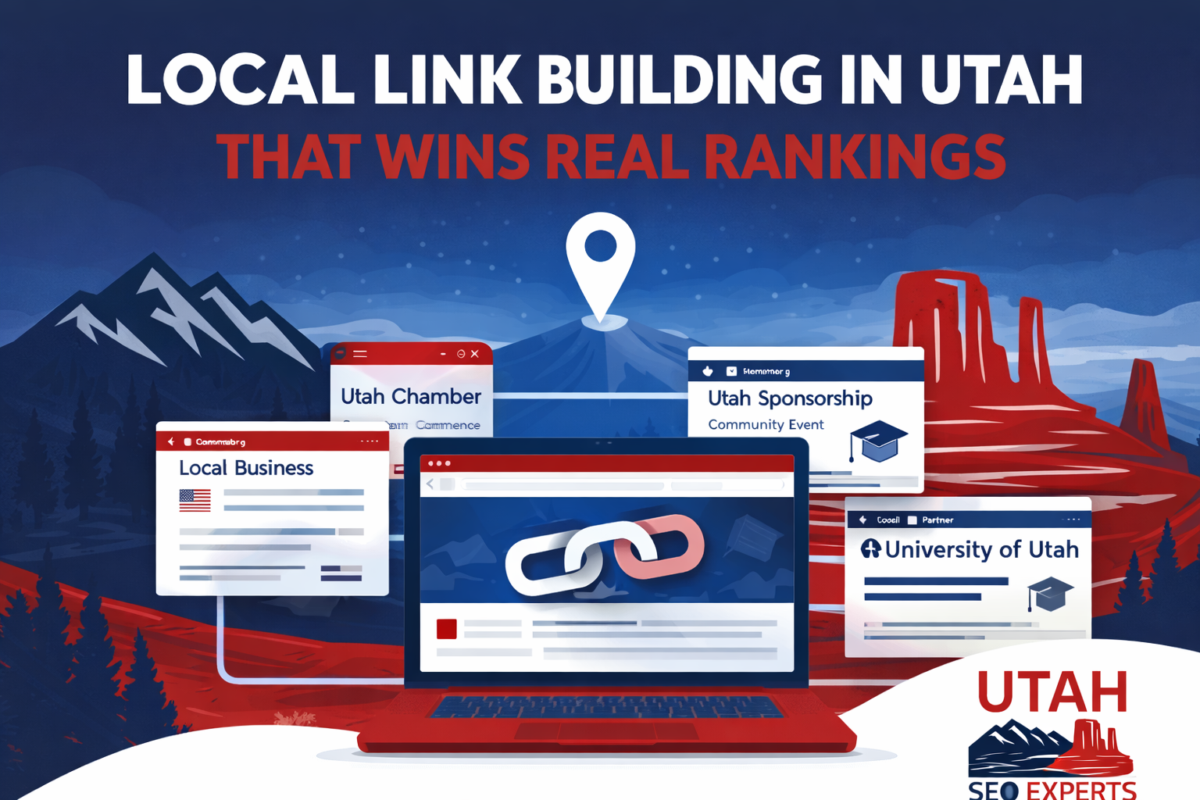
Local Link Building In Utah That Wins Real Rankings

A Utah market rewards brands that show up in the places real people trust. Search engines pick up those signals through links from credible local sites, news outlets, organisations, and community pages. A strong link profile does more than lift visibility. It supports brand recall, sales conversations, and recruitment across the state.

Many teams treat link acquisition as a one-off campaign. That mindset leaves momentum on the table. A steadier approach builds authority over time and gives every service page a stronger chance to rank.

Why Local Links Move The Needle In Utah Search

Links act as third-party proof. When a respected Utah website references your company, search engines read that as a vote of confidence with local context. Leaders care about outcomes, so it helps to connect link work to pipeline, not vanity metrics.

Here are the reasons local linkbuilding shape visibility and lead flow.

Authority Signals With Local Relevance

A link from a Utah source carries a geographic cue that fits local SEO intent. For service-area firms, that cue supports rankings for location-based searches across cities and suburbs.

Search results favour brands with clear topical focus and real-world validation. Local citations help, yet editorial links from trusted pages tend to carry more weight. Think about how a customer evaluates a contractor. A mention on a chamber site or a regional publication feels credible. Search engines value that same kind of trust signal.

Map Pack Trust And Brand Recall

Google Business Profile performance ties closely to prominence. Links to your site strengthen that prominence signal. The map pack rewards brands that look established in their community. A profile with steady reviews, accurate details, and a site referenced by Utah entities has a stronger position than a business that sits in isolation.

Brand recall matters here too. When a prospect sees your name on an event page, local charity site, and a trade group directory, familiarity rises. That recognition often shortens the sales cycle.

Referral Visits That Convert

Some links drive real traffic. A listing on a “Best Of” page, a sponsor mention on a conference site, or a feature in local media can send visitors ready to enquire.

Those referrals convert at a higher rate when the landing page matches intent. A sponsorship link should lead to a page that speaks to the audience and offers a clear next step.

Utah Local Link Building Sources That Bring Traffic

Utah has an unusually strong network of community organisations, business groups, and industry meetups. That gives local brands many ways to earn credible mentions without gimmicks. Focus on sources that align with your market and your service footprint.

These are the link sources that tend to carry weight for Utah brands.

Chambers And Business Groups

Chambers of commerce and regional associations often maintain member directories. Many include a website link and a short business profile. Those pages can send referral visits from people who prefer local providers.

Membership value rises when you participate. Speaking at events, joining committees, or sponsoring a breakfast puts your brand in front of other operators who may link to partners they trust.

Local Media And Industry Publishers

Utah outlets love practical stories with a local angle. Media mentions can deliver strong authority and brand lift.

Aim for coverage that connects to business outcomes. Examples include growth milestones, hiring programmes, community initiatives, and research tied to Utah consumer trends. A short pitch with a clear point of view can earn a mention that lives on for years.

Universities And Nonprofits

Education and charity organisations attract strong trust. Links from their sites can carry meaningful authority.

Look for real collaboration. Internship programmes, guest lectures, scholarship support, and volunteer work all create a natural reason for a mention. Nonprofits also run event pages and sponsor lists that reference partners.

Event Pages And Sponsorships

Utah’s event calendar is busy across outdoor, tech, and small business communities. Event websites often publish sponsor pages, speaker bios, exhibitor lists, and recap posts.

Choose events that match your customer base. A home services firm may see more value from community festivals and local sports sponsorships. A B2B provider may gain more from trade groups and regional conferences.

Table Of Utah Link Sources And What They Deliver

Source Type Typical Link Placement Effort Level Value You Can Expect
Chamber Or Association Member directory, profile page Medium Trust signal, local relevance, referrals
Local News Outlet Feature story, press mention High Authority, brand lift, qualified visits
University Or College Partner page, programme mention High Strong trust, long-term visibility
Nonprofit Sponsor list, event page Medium Community credibility, referral traffic
Event Website Sponsor page, speaker bio Medium Targeted exposure, lead-ready visits
Industry Partner Supplier page, case study Low High intent traffic, sales support

How To Earn Links Without Paying For Placements

Strong links come from real value. Paying for placements often leads to low-quality pages that age poorly. A better path uses assets, relationships, and proof points that make it easy for others to reference you.

Here are link earning plays that fit real operating budgets.

Create A Resource People Cite

Useful resources attract citations from blogs, community pages, and partner sites. The key is specificity. A generic checklist rarely earns attention. A Utah-focused guide has a clearer hook.

Resource ideas that tend to earn references

  • City-by-city service checklists with local requirements
  • Pricing ranges based on Utah market conditions
  • Safety guides tied to regional weather patterns
  • Local permit overviews with official sources
  • Buyer guides for common Utah purchase cycles

Pick one idea and commit to quality. A single strong resource can attract links for months.

Run A Data Snapshot For Utah

Original data attracts coverage. Local publications and industry blogs need credible numbers. Your team can create a data snapshot from customer surveys, aggregated service requests, or trend analysis from internal records.

Examples that fit many industries

  • Seasonal demand shifts across Wasatch Front cities
  • Average lead times by month for core services
  • Consumer preferences for appointment windows
  • Service call drivers tied to weather events

A small dataset still works when the story is clear. Publish a short report, provide a chart, and offer a media-ready summary.

Partner Pages With Suppliers And Clients

Partners like to show who they work with. A supplier directory or client success story page can earn a link with minimal friction.

Ask for a placement that serves their audience. A supplier may add you to an approved installer page. A client may publish a case study that includes your brand name and website.

A simple request email often works when it includes

  • A short description of the relationship
  • A suggested anchor text option
  • The URL you want linked
  • A sentence they can paste into their page

Fix Mentions And Broken Links

Many businesses already have unlinked mentions across blogs, local directories, and partner pages. Turning a mention into a link tends to succeed more often than cold outreach.

Broken link work is another reliable option. When a Utah site links to a dead resource, offer a relevant replacement on your site. This approach respects the publisher’s readers and improves their page quality.

A quick internal checklist helps your team stay organised

  • Search for brand mentions that lack a link
  • Review sponsor lists from past events
  • Check partner pages for outdated URLs
  • Audit common directory profiles for missing website fields
  • Track broken references to outdated resources in your niche

Monthly Outreach Workflows Your Team Can Run

Link work falls apart when it relies on inspiration. A repeatable process keeps activity consistent and gives leadership clear reporting. The most successful teams treat outreach as a monthly operating rhythm tied to revenue goals.

The following monthly workflow keeps outreach consistent and measurable.

Week 1 Prospecting And Prioritisation

Start with a focused list. Quantity matters less than relevance and credibility.

Build a prospect pool from sources such as

  • Regional publications and niche blogs
  • Chamber sites and local associations
  • Event organisers and sponsor pages
  • Partners, suppliers, and client directories
  • Local “resources” pages tied to your industry

Scoring Model That Fits Executive Reporting

Use a simple scoring method that supports decision-making.

Score each prospect from 1 to 5 on

  • Relevance to your service offering
  • Utah audience fit
  • Editorial quality
  • Likely referral value
  • Ease of contact

This method creates a ranked list that supports efficient outreach.

Week 2 Outreach Messages And Follow Up

Write messages that sound human and get to the point. A good outreach email respects the reader’s time and offers clear value.

Core outreach formats that work well

  • Resource suggestion for a relevant page
  • Partnership update with a suggested link placement
  • Event recap support with a short quote and brand details
  • Broken link replacement with a better destination
  • Media pitch tied to a local data point

Follow-Up Cadence That Stays Professional

One follow-up often doubles response rate. Keep the tone calm and direct. A second follow-up can work for partners and event organisers. For journalists, keep it to one.

Track outreach in a simple sheet with columns for

  • Prospect name
  • Contact person
  • Date sent
  • Follow-up date
  • Outcome
  • Link URL once published

Week 3 Content Support And Approvals

Publishers often need assets fast. Your team should prepare a small library that speeds approvals and reduces back-and-forth.

Create a ready pack that includes

  • Brand description in two lengths
  • Founder or spokesperson bio
  • High-resolution images
  • Logo files
  • A short quote on your core service value
  • Key URLs that matter for rankings

Give decision-makers an approval path that takes minutes, not days. A slow approval cycle kills coverage.

Week 4 Reporting And Next Month Queue

Leadership wants clarity. Reporting should connect link work to visibility and demand.

Useful monthly reporting items include

  • New referring domains earned
  • Links earned to priority service pages
  • Referral visits from new placements
  • Ranking movement for target local terms
  • Leads tied to referral sources where tracking allows

Add a short narrative note. Explain what worked, what gained traction, and what the next month targets.

Conclusion Make Link Building A Steady Growth Engine

Local authority builds over time through credible mentions from Utah sources that people trust. Strong links support rankings, feed the map pack signal, and send referral visitors who often convert. A monthly outreach rhythm keeps progress steady and gives leadership clear insight into performance. When your team treats link earning as part of business development, search visibility follows.

Categories
Uncategorized

The Social Media Profiles Every Utah Business Should Have (And Why They Matter for SEO Today and Tomorrow)

For years, business owners were told that social media didn’t really matter for SEO.

That advice is outdated.

Today, social media profiles play an important role in how search engines and AI systems verify businesses, confirm brand legitimacy, and connect online signals together. For Utah businesses competing locally or statewide, these profiles are no longer optional background assets — they’re part of your core SEO foundation.

This isn’t about posting every day.
It’s about building clean, consistent brand signals that support citations, brand mentions, link building, and AI-driven search visibility — now and in the future.


Why Social Media Profiles Matter for SEO (Right Now, Not Someday)

Modern SEO looks at businesses as real-world entities, not just websites.

Search engines and AI platforms evaluate:

  • Is this business real?

  • Is it established?

  • Is its information consistent?

  • Does it show up across trusted platforms?

Social media profiles help answer those questions.

They contribute to:

  • Citation and NAP consistency

  • Brand mentions on authoritative domains

  • Entity recognition

  • Trust signals used in AI-generated search results

This is current SEO, not an old tactic — and it will matter even more as AI search continues to grow.


Social Profiles Are Part of Your Citation & Brand Authority Stack

Think of social profiles the same way you think about:

  • Local citations

  • Directory listings

  • Brand mentions

  • Foundational link building

Each properly set-up profile reinforces:

  • Your business name

  • Your location

  • Your website

  • Your legitimacy as a real company

For Utah service businesses especially, this consistency can be the difference between showing up — or getting skipped.


NAP Consistency Still Matters (And Social Media Is Part of It)

NAP stands for Name, Address, Phone Number, and it must match everywhere online.

That includes:

  • Your website

  • Your Google Business Profile

  • Every social media profile you create

Small inconsistencies weaken trust. Clean consistency strengthens it.


Username & URL Consistency (Don’t Skip This)

Whenever possible, claim the same username across platforms:

facebook.com/utahseoexperts
instagram.com/utahseoexperts
linkedin.com/company/utahseoexperts
youtube.com/@utahseoexperts

This helps search engines and AI systems confidently group everything under one brand entity.

If the exact name isn’t available, choose one variation and use it everywhere.


The Social Media Profiles That Actually Benefit SEO (And Where to Create Them)

Below are the platforms that matter, why they matter, and where to correctly set them up.


Google Business Profile

SEO Impact: Extremely high
Why it matters: Local rankings, Maps visibility, trust

Every Utah business should start here.

You can create or claim your listing at:
google.com/business

Make sure to:

  • Verify the business

  • Use exact NAP

  • Choose the right categories

  • Link your website

  • Add services and photos

This profile anchors your entire online presence.


Facebook Business Page

SEO Impact: High
Why it matters: Brand authority, citations, discoverability

Facebook requires:

  1. A personal Facebook profile

  2. Then a Business Page

Create your business page here:
facebook.com/pages/create

Do not use a personal profile as your business.

Fill out:

  • Business category

  • Address and phone number

  • Website

  • Username (custom URL)

Posting frequency doesn’t matter nearly as much as profile completeness.


Instagram Business Profile

SEO Impact: Medium to high
Why it matters: Brand entity reinforcement, trust

Instagram requires:

  1. A personal account

  2. Conversion to a Business Profile

You can switch to a business account inside Instagram settings, or learn more here:
business.instagram.com

Make sure:

  • Username matches other platforms

  • Business category is set

  • Website link is added


LinkedIn Company Page

SEO Impact: High
Why it matters: Authority, credibility, knowledge graph support

LinkedIn requires:

  1. A personal LinkedIn profile

  2. Creation of a Company Page

Create a company page here:
linkedin.com/company/setup

This is especially important for:

  • Service businesses

  • B2B companies

  • Professional brands in Utah


YouTube Brand Channel

SEO Impact: High
Why it matters: Search visibility, AI indexing, brand dominance

YouTube allows you to create a Brand Account, separate from a personal channel.

You can set this up through your Google account, or learn more here:
youtube.com/account

Even without regular videos, a properly branded channel with:

  • Correct business name

  • Description

  • Website link

adds meaningful authority.


X

SEO Impact: Medium
Why it matters: Brand mentions, crawl signals

Create an account at:
x.com/signup

Not critical for every Utah business, but helpful for reinforcing brand legitimacy.


TikTok Business Account

SEO Impact: Medium and growing
Why it matters: AI discovery, brand validation

TikTok requires:

  1. A personal account

  2. Switching to a Business Account

You can learn more or start here:
tiktok.com/business

Even light usage supports modern brand signals.


Pinterest Business Account

SEO Impact: Medium
Why it matters: Evergreen discovery, image indexing

Create or convert to a business account here:
business.pinterest.com

Often overlooked, but still valuable for long-term visibility.


How This Impacts AI Search Results (Now and Going Forward)

AI search doesn’t rely on one source.

It cross-references:

  • Websites

  • Business listings

  • Social media profiles

  • Brand mentions across trusted platforms

Clean, consistent social profiles help AI systems determine:

  • Your business is real

  • Your information is accurate

  • Your brand deserves to be referenced

This is not a temporary shift.
This is how search is evolving.


Common Mistakes We See Utah Businesses Make

  • Using personal profiles instead of business profiles

  • Different business names or phone numbers across platforms

  • Ignoring usernames and URLs

  • Leaving profiles half-completed

  • Creating too many low-quality profiles instead of a few strong ones

Fixing these often produces SEO gains without changing a single page on your website.


The Big Picture

Social media profiles are not about chasing likes or trends.

They are digital infrastructure.

For Utah businesses, they support:

  • Local SEO

  • Citation accuracy

  • Brand mentions

  • Link building

  • AI-driven search visibility

This matters today — and it will matter even more in the future.

At Utah SEO Experts, this is part of how we build authority that lasts.

Categories
Uncategorized

Google AI Overviews and the New Local Buyer Journey

Search has turned into a short list of answers, not a set of links. That shift puts pressure on local brands to show up as the trusted source, then convert the prospect fast once they land.

Executives should treat this as a revenue issue, not a traffic debate. Lead quality, call volume, and close rate now depend on how clearly a business presents proof, scope, and location trust.

How Google AI Overviews Shift Local Buying Choices

Local intent queries often end with a decision in the results, not on your site. Prospects look for fast confirmation, then move straight to a call, directions, or a shortlist check.

Here are the shifts that matter for local SEO leads:

Google AI Overviews and the Click Path

The summary format rewards brands that answer common questions with clarity and precision. A vague service page tends to lose out to content that states what you do, where you do it, and what a customer can expect next.

C-suite teams should look out for one key pattern. Prospects still visit websites, but the bar for a visit has been raised. They arrive ready to validate, not browse.

What Buyers Do Next

A prospect often takes action through the result itself. That makes visibility and credibility inseparable.

Common next steps look like this:

  1. Tap to call from mobile results
  2. Request directions, then check trading hours
  3. Run a branded search for reputation signals
  4. Visit the site for price ranges, service scope, and proof

Signals That Earn a Citation

Local trust signals need to match across your site and public listings. Mixed details create doubt and reduce the chance of a mention.

Strong signals usually share the following traits:

  • Clear service definition on primary pages
  • Location cues that match real coverage areas
  • Consistent business details across key directories
  • Review volume with recent, relevant feedback
  • Local third-party mentions from associations or media 

Page Elements That Build Trust Fast

Once a visitor lands, the page must answer decision questions in plain language. Thin copy and generic claims slow the sale and often signal gaps in on-page SEO.

High-performing pages tend to include the following:

  • Price bands with a short explanation of what shifts costs
  • Inclusions, exclusions, and service limits are stated early
  • Licence, insurance, and warranty details near the top
  • Short case examples with outcomes and time frames
  • A simple quote path with clear response times

Measurement and Content Plan for Local AI Results

Boards and leadership teams want proof that visibility turns into booked work. A clean measurement model ties channel exposure to calls, forms, and sales outcomes.

The following framework covers reporting and page priorities:

Reporting That Proves Impact

Standard analytics can miss the real story. Many prospects convert through calls and map actions, so reporting needs inputs from search data, call analytics, and CRM fields.

This table sets out a practical scorecard.

Metric Where It Sits What It Tells Leaders
Branded search lift Search Console, Trends Brand demand and recall
Calls and form leads Call analytics, CRM Channel value and volume
Map actions Google Business Profile reports Local intent strength
Quote-to-book rate CRM pipeline Sales efficiency
Page assists Event data in analytics Which pages move deals

Content Priorities for Utah Service Firms

A smaller set of pages can outperform a large blog archive if each page does a defined job. Service pages should carry the revenue load, with support content that answers buying questions and backs claims with proof.

Priorities that suit most local operators include these steps:

  • Build one core page per main service with a clear scope
  • Add supporting pages for pricing, FAQs, and project proof
  • Link from support pages to the relevant service pages
  • Match service area language to real travel and job patterns
  • Use consistent naming for services across the site and listings

Conclusion and Next Steps for Utah Teams

Strategy needs a short cycle and tight feedback. Pick one service line, improve proof and clarity on the money pages, then watch leads and close rates rather than sessions.

A practical next move pairs two actions. Refresh the top service pages for scope, pricing ranges, and credibility cues, then tighten reporting so sales outcomes trace back to the pages and queries that drive them. 

One month of clean data often beats a year of noisy traffic charts.

Categories
Uncategorized

Tracking Search Intent Shifts in Utah SERPs

Understanding search intent helps Utah companies reach the right audience at the right moment, and Utah SEO Experts supports businesses through careful analysis and content adjustments. Intent shifts can change rankings even when keywords stay the same. This can happen quickly across Utah markets where city level behavior, seasonal needs, and local competition influence what people expect from search results.

What Search Intent Means for Utah Businesses

Search intent describes the purpose behind a query. People look for answers, comparisons, directions, or services, and each goal changes what search engines show on the page. The common types include informational, navigational, transactional, and commercial investigation. Utah businesses deal with these different intents every day, especially across industries like home services, real estate, health, law, and technology. For example, someone in Sandy searching “roof repair” during a snowstorm wants emergency help, while someone in St. George in the summer might look for long term maintenance. These differences affect which pages appear and how they appear.

Why Intent Shifts Happen in Utah SERPs

Seasonal Impact Across Utah Cities

Utah weather patterns influence search behavior. Winter storms increase searches related to heating, plumbing failures, and roof issues. Wildfire smoke drives air purifier queries. Spring brings allergy searches and irrigation troubleshooting. Each event changes what users expect to see on the search results page, and search engines adjust accordingly.

Local Competition Causing Intent Movement

When competitors publish stronger content or add new pages, the SERP can shift toward different formats. You might see more featured snippets, FAQ sections, or local map packs. These changes reveal how search engines interpret user needs. A new competitor in Provo or Lehi might publish content that shifts intent from general research to local service based queries.

Utah Audience Behavior and Local Culture

Utah lifestyle patterns also shape search behavior. Many local users seek family focused services, outdoor recreation advice, or home improvement solutions. These behaviors vary across regions, so companies must understand how each city searches and what type of content they respond to.

How To Identify Search Intent Shifts in Utah SERPs

Analyzing SERP Features

Changes in SERP structure are often the first signal. If local packs appear more frequently for a keyword, search engines may see the query as local. If “People Also Ask” boxes appear, users may want broader answers. If long form guides rank higher, search engines may value more detailed content.

Tracking Query Changes Over Time

Reviewing past and current SERPs helps you spot patterns. The top ranking pages may shift from short pages to guides, or from service pages to comparisons. These changes signal an intent difference you need to match. Comparing these shifts month to month provides a clearer view of what the Utah audience now expects.

Using Tools and Manual Reviews

Tools like Google Search Console and SEMrush help track impression changes, click patterns, and ranking volatility. Manual checks matter too, especially for Utah specific terms. A human review will always reveal context that tools cannot interpret fully.

Adapting Utah Content for Intent Changes

Updating Existing Pages

When intent shifts, older pages need adjustments. This might include expanding certain sections, simplifying explanations, or adding Utah specific examples. Updating these elements makes the page more aligned with user expectations.

Matching Search Intent Without Guesswork

Matching intent means studying the SERP, seeing what format performs well, and aligning your content accordingly. If search engines now prioritize straightforward answers, your page should provide them. If comparison based content dominates, your page may need clearer contrasts and explanations.

Strengthening Topical Depth

Adding internal links and supporting articles helps search engines understand your authority on the subject. Topic clusters work best when they show depth and relevance. You can learn more about how this process supports long term rankings through our Utah SEO services, which focus on structure and clarity for Utah businesses.

How Utah SEO Experts Helps Track Intent Shifts

Utah SEO Experts reviews intent changes across major cities including Salt Lake City, Provo, Ogden, Lehi, Sandy, and St. George. The team monitors SERP changes, updates content structures, and builds new supporting pages when needed. These reviews help companies adapt before competitors do. The goal is to keep each page aligned with real user needs instead of outdated assumptions.

Common Mistakes Utah Companies Make

Many businesses target keywords without checking the current SERP. Others write content for all Utah regions the same way even though intent varies by city. Some companies publish static content that never gets updated, leading to poor alignment with new user patterns. Ignoring search intent often leads to declining rankings even when the keywords still seem relevant.

When You Can Expect to See Results

Intent aligned content improves performance gradually. Early gains usually appear in impressions or increases in long tail visibility. More stable rankings follow after search engines recognize that your content matches what users want. Companies that update consistently see stronger results than those that rely on one time fixes.

Conclusion

Tracking search intent shifts helps Utah businesses maintain visibility as user behavior changes across seasons, cities, and industries. When companies match content to real expectations, they earn stronger placement in the search results. If you want support with identifying intent changes or improving your content strategy, you can schedule a consultation with Utah SEO Experts.


Categories
Uncategorized

Building Topical Authority for Utah Businesses

Topical authority helps Utah companies stand out in crowded search results, and Utah SEO Experts supports this goal through strategy, structure, and consistent publishing. When a business builds strong coverage around a subject, search engines begin to trust that brand more than competitors. This trust grows when every piece of content supports one clear topic instead of scattered ideas. For Utah businesses competing across cities like Salt Lake City, Ogden, Provo, and St. George, this can make a real difference for visibility.

What Topical Authority Means for Utah Businesses

Topical authority is the process of proving that your brand understands a subject well enough for search engines to see you as a reliable source. It forms when a website publishes related content that connects naturally and helps readers understand a topic from different angles. A law firm in Salt Lake City might build authority around Utah injury laws, while a home services company in Ogden might cover heating issues, winter prep, and repairs. When a site does this well, its pages support each other, making the entire cluster stronger.

How Utah Search Behavior Shapes Topical Authority

Utah search patterns vary by season, city, and lifestyle. People in northern Utah search differently from people in southern Utah, especially with climate changes and industry needs. Someone in Provo might search for basement finishing questions, while someone in St. George searches for heat related home issues. These variations help shape topic clusters based on what people actually want. Paying attention to city level patterns gives your business a head start since you can respond to real needs that show up in search data.

Building a Topic Cluster Around a Utah Industry

Choosing the Right Pillar Topic

A strong topic cluster starts with one central subject. For a Utah HVAC company, the pillar might be heating and cooling for Utah homes. For a Utah dentist, it might be dental care for families. The main topic stays focused so supporting articles can connect back without feeling forced. You want something broad enough to support smaller articles but narrow enough to build clear authority.

Creating Supporting Pages

Supporting pages break the main subject into smaller, helpful pieces. These pages answer real questions and guide readers through related concerns. A Utah roofing company could write about common winter roof issues, snow load questions, and repair timelines. A family law attorney could cover child custody processes, divorce steps, or Utah specific filing requirements. These smaller pages feed into the main pillar and help search engines understand your depth on the subject.

Internal Linking That Strengthens Authority

A topic cluster only works when the pages connect. Internal links help search engines map the subject and guide readers without confusion. For example, linking a winter plumbing article to a pillar page about plumbing in Utah shows clear relevance. You can also use internal links to direct readers toward localized content when city specific advice is needed. Natural linking tells search engines the topic is organized and complete, and it keeps readers moving through your site.

Local Content That Boosts Utah Topical Authority

Geographic References That Matter

Local references help search engines understand where your content is relevant. Mentioning cities like Sandy, Draper, West Jordan, and Lehi is helpful when the content deserves those mentions. It should sound natural and not forced. Search engines use these signals to understand whether your content supports local search intent.

Using Real Utah Problems as Content Sources

Utah conditions offer steady content ideas. Winter driving hazards, wildfire smoke, dry climate issues, soil types in new housing developments, and even local building codes can influence what people look up. When your content reflects these real concerns, it becomes more useful. Search engines tend to support content that answers actual problems instead of generic statements.

Content Quality Signals Search Engines Pay Attention To

Search engines measure content quality through usefulness, clarity, accuracy, and trust signals. These signals grow stronger when you provide helpful answers backed by experience. Author names, team details, local examples, and references to Utah conditions help strengthen your authority. Case studies or project summaries are also helpful because they show real results rather than vague claims.

How Utah SEO Experts Helps Businesses Build Topical Authority

Utah SEO Experts helps companies map out pillar pages, supporting articles, and internal linking so each topic cluster strengthens the next. The team identifies the subjects that matter most for Utah industries and builds content plans around those themes. If a business needs support with structure, Utah SEO Experts can review content, improve organization, and guide ongoing content creation. You can learn more through our Utah SEO services which explain how this approach supports long term visibility.

Common Mistakes Utah Companies Make When Building Topical Authority

Many Utah businesses start writing without a plan, which leads to scattered blogs with no connection. Some publish thin content without enough detail to be useful. Others ignore internal links, leaving their articles floating on separate islands. A few pick topics that are too broad, which weakens their authority instead of helping it grow. These mistakes slow progress and make it harder for search engines to understand the site.

When Utah Businesses Can Expect Results

Topical authority builds gradually. Search engines need time to process new content, evaluate consistency, and compare your site to others in your niche. Most businesses see early signs of progress after steady publishing, but full authority takes ongoing effort. The more organized your topic clusters are, the faster search engines can recognize your subject depth.

Conclusion

Topical authority gives Utah companies a clearer path toward visibility by organizing content around subjects that matter to local audiences. With the right structure and consistent publishing, businesses can strengthen their credibility and attract people searching for their services. If you want help building a topic focused strategy for your Utah company, you can schedule a consultation with Utah SEO Experts.


Categories
Uncategorized

10 Web Design Essentials That Drive Conversions

Many Utah businesses lose potential customers because their websites aren’t built for conversion. A polished look means little if visitors can’t find what they need or act quickly. A website must guide users toward a goal,calling, booking, or buying. Since 2009, Utah Seo Experts has built SEO-friendly websites that help Utah companies convert traffic into paying clients. From small startups in Lehi to growing service brands in Salt Lake City, strategic web design transforms passive visitors into loyal customers.

What Conversion-Focused Design Really Means

A conversion-driven website isn’t about decoration. It’s about purpose. Each design choice,layout, copy, color, and structure,works together to encourage action. Strategic placement of buttons and headlines keeps users focused, while consistent branding builds trust. 

A conversion-ready website doesn’t chase traffic alone; it turns that traffic into measurable results through clear calls-to-action and intuitive flow.

Design That Guides User Action

User experience determines whether someone stays or leaves. Every menu, link, and section should create a clear path toward engagement. Visitors in Lehi, Provo, or Salt Lake City should reach service pages or quote forms in two clicks. Streamlined navigation prevents confusion, while descriptive buttons like “Book a Consultation” or “Request a Quote” make next steps obvious.

Our WordPress Web Design services emphasize these details,combining clarity with visual contrast to encourage interaction.

Speed and Performance Drive Conversions

A fast website earns trust and higher rankings. Users expect instant results; if a page stalls, they leave. That’s why Utah Seo Experts prioritizes speed during development. We use clean code, caching, image compression, and reliable hosting to make pages load within seconds.

Fast sites not only improve SEO but also signal reliability. When pages respond smoothly, visitors feel confident enough to fill out forms, make calls, or complete purchases. You can explore more performance strategies in our Technical SEO solutions.

Building for Mobile and Local Users

Most Utah customers browse on phones, so your website must adapt seamlessly to every screen size. Responsive design ensures pages resize without breaking layouts or hiding key information. Touch-friendly buttons, click-to-call links, and integrated Google Maps make local engagement easy.

Mobile optimization also supports local visibility. Utah businesses thrive on “near me” searches, and a responsive website paired with Local SEO ensures your company appears when customers search nearby. A mobile-friendly site isn’t optional,it’s a direct driver of calls and walk-in visits.

SEO Integration in Every Design Decision

A beautiful site without SEO is invisible. Utah Seo Experts integrates search optimization into every design stage, ensuring visibility and conversions go hand in hand. We build logical page hierarchies, optimize metadata, and apply schema markup to help search engines understand your content.

Internal links connect services naturally, improving both ranking and user navigation. Whether we’re building on WordPress or Shopify, our sites follow SEO Utah best practices,clean URLs, fast load times, and keyword-rich headings that attract qualified leads.

Visuals and Copy That Build Trust

Strong design pairs professional visuals with clear, persuasive writing. High-quality imagery and Utah-based photography help users connect with your brand. Consistent color palettes, legible fonts, and well-spaced layouts convey credibility at first glance.

Copy also matters. Short, confident sentences that explain benefits outperform vague marketing phrases. Instead of filling pages with fluff, focus on clarity and direction. Each paragraph should lead to an action, such as contacting your team or requesting a quote.

Trust, Proof, and Authority Matter

Visitors are more likely to convert when they trust your brand. Real testimonials, verified reviews, and recognizable Utah case studies demonstrate credibility. Featuring measurable results from past clients reassures new prospects.

One success story comes from ShawTech Lighting, which grew from a Utah-based business into a nationally ranked brand through our strategy. Case studies like this show that genuine results speak louder than ads and turn reputation into conversions.

Tracking and Continuous Improvement

A high-converting website is never finished,it evolves with data. Analytics and heatmaps reveal how users interact with each page, highlighting what works and what needs refinement. By testing CTAs, adjusting layouts, and improving form placement, we continually increase engagement.

Utah Seo Experts focuses on long-term results without locking clients into long-term contracts. Ongoing optimization ensures steady growth, adapting your site to shifts in search trends, audience behavior, and technology.

Why Partner with Utah Seo Experts?

For over fifteen years, Utah Seo Experts has designed websites that convert across Utah,from Salt Lake City to St. George. Our team combines web design, SEO, content, and paid marketing into one cohesive strategy that drives measurable growth. We don’t build websites for looks alone; we build them to deliver leads and sales.

Your website should be your hardest-working marketing asset, available every hour of every day. Transform yours into a true conversion engine. Book your consultation today with Utah Seo Experts and start turning visitors into loyal customers.