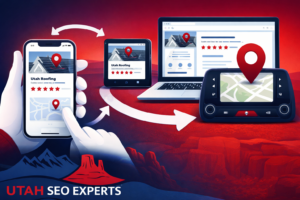
A buyer searches “emergency plumber near me” and gets a phone button, map listing, hours, reviews, and a short AI answer. No site visit happens. A call still comes through.
That pattern is no longer rare. It is a core part of how people shortlist providers, compare options, and make contact. Senior teams feel the impact in softer numbers too. Leads feel different. Sales calls start later in the decision cycle. Marketing reports show less traffic, then pipeline stays steady, then finance asks why the story looks messy.
Zero-click behaviour does not mean zero revenue. It means the journey has shifted. Lead quality now depends on how strong your presence looks inside Google, not only on your site.
What Zero-Click Searches Means For Local Buying In Utah
Zero-click refers to searches where Google satisfies the intent on the results page. The action can still happen. It often happens faster.
Utah’s market adds its own flavour. Many service areas span multiple cities. Outdoor and home services face seasonal surges. Word of mouth still matters, then Google confirms the choice.
Here are the key ways zero-click behaviour shows up for local buyers.
The Click Gets Replaced By A Tap Or Call
Searchers can call from the results page, request directions, or message a business. A website visit never appears in analytics. Revenue still arrives.
A practical outcome follows. Your marketing team needs reporting that tracks outcomes beyond sessions.
AI Summaries Change How People Compare Providers
AI answers compress research time. Buyers can move from “learn” to “choose” fast. The tone of the summary, the sources it cites, and the businesses it surfaces can sway preference.
Brand perception now forms inside the search result itself.
Maps And Local Packs Become The Primary Shop Window
For many queries, the map pack draws the eye first. Reviews, photos, service categories, and proximity dominate attention. A weaker listing can lose enquiries even with a strong site.
Why Lead Quality Changes When Clicks Drop
Traffic used to act as the early indicator. A dip in visits signalled lower demand. That link no longer holds.
The quality shift shows up in three ways.
Here are the main components that drive the change.
Prospects Arrive With Higher Intent
A person who calls from search often wants a near-term booking. That contact tends to include location, timing, and price questions. The call feels more decisive.
Sales teams can treat these leads as late-stage conversations. Training should match that reality.
Fewer “Research” Visits Reduce Soft Signals
Some buyers still browse sites, then return later. Yet many early clicks vanish. That reduces form fills for guides, newsletter sign-ups, and chat starts.
Demand still exists. The signals sit elsewhere, mainly in listing views, calls, direction requests, and review reads.
Attribution Gets Messier Across Channels
A paid ad can spark a brand search. The brand search triggers a map result. The call comes from the listing. Analytics can credit “organic” or “direct” even if paid media triggered the chain.
Executive reporting needs a model that reflects influence, not only last click.
Where Zero-Click Shows Up Most For Utah Industries
Local intent leads the trend. Service queries, urgent needs, and “near me” searches lean heavily toward calls and map actions.
These are common Utah categories where zero-click can shape pipeline.
Home Services And Emergency Trades
Roofing, plumbing, HVAC, electrical, pest control, water damage, and locksmith work often start with urgency. Google provides quick action buttons and review context. A single negative photo can cost an enquiry.
Legal, Medical, And Local Professional Services
Many prospects want reassurance before a call. Reviews, credentials, and visible expertise matter. AI summaries may pull from third-party sources, then shape trust before a site visit.
Outdoor, Tourism, And Destination Businesses
People plan trips from mobile. Maps, hours, peak times, and photos answer many questions. Direction taps can replace a site session.
What To Measure When Website Sessions Fall
Leadership teams still need clarity. The goal stays the same. Revenue, margin, retention, and forecast accuracy.
Here are the metrics that deserve board-level attention.
Primary Outcome Metrics
- Qualified calls and call duration
- Booked jobs and show rates
- Quote acceptance rate
- Cost per booked job by channel
- Repeat customer share
Search Visibility And Trust Signals
- Listing views and actions
- Direction requests by service area
- Photo views and uploads
- Review volume and rating trend
- Brand search volume over time
Website Metrics That Still Matter
- Conversion rate on high-intent pages
- Form completion quality
- Phone clicks on mobile
- Page speed and index coverage
Zero-Click Tracking Framework For Clearer Reporting
Tools can help, yet the structure matters more than another dashboard. A strong framework ties search actions to real outcomes.
The following steps support clean reporting and better decisions.
Map Key Journeys From Search To Sale
List the paths buyers take. Keep the language simple.
- Call from listing, then booking
- Direction request, then walk-in
- Site visit, then form, then call
- Paid click, then brand search, then call
Connect Call Data To CRM Records
Call tracking numbers help, yet they can distort SEO signals if set up poorly. A balanced approach works well. Use dynamic numbers on site. Keep a consistent primary number in your listing. Store source and outcome in CRM.
Use UTM Tags For Listing Links
Add UTM parameters to the listing website link and appointment links. That keeps analytics cleaner and supports channel reporting.
Track Review Impact On Lead Quality
Correlate review themes with call outcomes. Sales teams hear objections first. Marketing teams can address them in responses, service pages, and photos.
Table: How Buyer Signals Shift In Zero-Click Search
| Stage In Journey | Classic Website-Heavy Signal | Zero-Click Signal In Search Results | What To Watch Internally |
| Early research | Blog reads and time on page | Review reads and photo views | Brand lift and reputation trend |
| Shortlisting | Multiple page visits | Map pack comparisons | Listing completeness and rating |
| Contact | Form fills | Tap-to-call and messages | Call quality and booked rate |
| Visit | Location page traffic | Direction requests | Service area demand by suburb |
| Trust check | Testimonials page | Review responses and Q&A | Objection themes and close rate |
Practical Moves That Improve Lead Quality Inside Google
A strong website still helps. The result page now plays a larger role in shaping trust and action.
Here are the actions that tend to improve lead quality for Utah firms.
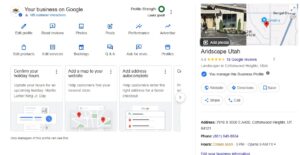
Strengthen Your Listing Experience
Start with one clean reference. Use your Google Business Profile once, then rely on GBP after that.
- Update categories to match real services
- Add photos that show teams, vehicles, job sites, and finished work
- Publish posts that answer common buying questions
- Fill services and products sections with clear language
- Add appointment links where they fit your process
Build Review Volume With A Clear Ask
Ask at the right moment. A simple message works. A consistent habit beats a fancy campaign.
- Request reviews after a clear win
- Reply to every review with care
- Address service area details in replies
- Encourage photos from happy clients
Write Content That AI Can Cite With Confidence
AI summaries pull from sources that feel trustworthy. Your site can support that by focusing on proof.
- Real project examples with outcomes
- Clear service definitions per city or suburb
- Pricing ranges with context and constraints
- Staff credentials and licences
- Safety, warranty, and response times
Improve Conversion Friction For High-Intent Visitors
Some prospects still reach the site. Make that moment count.
- Place phone and booking options above the fold
- Keep forms short, then qualify in follow-up
- Publish clear service area coverage
- Use plain English on key pages
What Executives Should Ask Their Marketing Team
Senior leaders can steer better decisions with sharper questions.
- Which channels influence booked jobs, not only leads
- Which suburbs show growth in direction requests
- What review themes correlate with close rate changes
- Which services attract the longest calls
- How often do AI answers mention our brand or competitors
A clear answer needs shared data, shared language, and shared accountability.
Closing View For Utah Business Leaders
Zero-click search pushes decision-making into Google’s results page. That shift changes how leads look, how tracking works, and how teams explain performance.
Revenue still comes from trust, responsiveness, and strong service delivery. The main difference is where trust forms. A modern approach treats search results as a primary brand surface, then measures outcomes with the same discipline used for finance.
Momentum follows when visibility, reputation, and reporting work as one system.