A Utah market rewards brands that show up in the places real people trust. Search engines pick up those signals through links from credible local sites, news outlets, organisations, and community pages. A strong link profile does more than lift visibility. It supports brand recall, sales conversations, and recruitment across the state.
Many teams treat link acquisition as a one-off campaign. That mindset leaves momentum on the table. A steadier approach builds authority over time and gives every service page a stronger chance to rank.
Why Local Links Move The Needle In Utah Search
Links act as third-party proof. When a respected Utah website references your company, search engines read that as a vote of confidence with local context. Leaders care about outcomes, so it helps to connect link work to pipeline, not vanity metrics.
Here are the reasons local linkbuilding shape visibility and lead flow.
Authority Signals With Local Relevance
A link from a Utah source carries a geographic cue that fits local SEO intent. For service-area firms, that cue supports rankings for location-based searches across cities and suburbs.
Search results favour brands with clear topical focus and real-world validation. Local citations help, yet editorial links from trusted pages tend to carry more weight. Think about how a customer evaluates a contractor. A mention on a chamber site or a regional publication feels credible. Search engines value that same kind of trust signal.
Map Pack Trust And Brand Recall
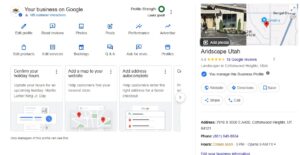
Google Business Profile performance ties closely to prominence. Links to your site strengthen that prominence signal. The map pack rewards brands that look established in their community. A profile with steady reviews, accurate details, and a site referenced by Utah entities has a stronger position than a business that sits in isolation.
Brand recall matters here too. When a prospect sees your name on an event page, local charity site, and a trade group directory, familiarity rises. That recognition often shortens the sales cycle.
Referral Visits That Convert
Some links drive real traffic. A listing on a “Best Of” page, a sponsor mention on a conference site, or a feature in local media can send visitors ready to enquire.
Those referrals convert at a higher rate when the landing page matches intent. A sponsorship link should lead to a page that speaks to the audience and offers a clear next step.
Utah Local Link Building Sources That Bring Traffic
Utah has an unusually strong network of community organisations, business groups, and industry meetups. That gives local brands many ways to earn credible mentions without gimmicks. Focus on sources that align with your market and your service footprint.
These are the link sources that tend to carry weight for Utah brands.
Chambers And Business Groups
Chambers of commerce and regional associations often maintain member directories. Many include a website link and a short business profile. Those pages can send referral visits from people who prefer local providers.
Membership value rises when you participate. Speaking at events, joining committees, or sponsoring a breakfast puts your brand in front of other operators who may link to partners they trust.
Local Media And Industry Publishers
Utah outlets love practical stories with a local angle. Media mentions can deliver strong authority and brand lift.
Aim for coverage that connects to business outcomes. Examples include growth milestones, hiring programmes, community initiatives, and research tied to Utah consumer trends. A short pitch with a clear point of view can earn a mention that lives on for years.
Universities And Nonprofits
Education and charity organisations attract strong trust. Links from their sites can carry meaningful authority.
Look for real collaboration. Internship programmes, guest lectures, scholarship support, and volunteer work all create a natural reason for a mention. Nonprofits also run event pages and sponsor lists that reference partners.
Event Pages And Sponsorships
Utah’s event calendar is busy across outdoor, tech, and small business communities. Event websites often publish sponsor pages, speaker bios, exhibitor lists, and recap posts.
Choose events that match your customer base. A home services firm may see more value from community festivals and local sports sponsorships. A B2B provider may gain more from trade groups and regional conferences.
Table Of Utah Link Sources And What They Deliver
| Source Type | Typical Link Placement | Effort Level | Value You Can Expect |
| Chamber Or Association | Member directory, profile page | Medium | Trust signal, local relevance, referrals |
| Local News Outlet | Feature story, press mention | High | Authority, brand lift, qualified visits |
| University Or College | Partner page, programme mention | High | Strong trust, long-term visibility |
| Nonprofit | Sponsor list, event page | Medium | Community credibility, referral traffic |
| Event Website | Sponsor page, speaker bio | Medium | Targeted exposure, lead-ready visits |
| Industry Partner | Supplier page, case study | Low | High intent traffic, sales support |
How To Earn Links Without Paying For Placements
Strong links come from real value. Paying for placements often leads to low-quality pages that age poorly. A better path uses assets, relationships, and proof points that make it easy for others to reference you.
Here are link earning plays that fit real operating budgets.
Create A Resource People Cite
Useful resources attract citations from blogs, community pages, and partner sites. The key is specificity. A generic checklist rarely earns attention. A Utah-focused guide has a clearer hook.
Resource ideas that tend to earn references
- City-by-city service checklists with local requirements
- Pricing ranges based on Utah market conditions
- Safety guides tied to regional weather patterns
- Local permit overviews with official sources
- Buyer guides for common Utah purchase cycles
Pick one idea and commit to quality. A single strong resource can attract links for months.
Run A Data Snapshot For Utah
Original data attracts coverage. Local publications and industry blogs need credible numbers. Your team can create a data snapshot from customer surveys, aggregated service requests, or trend analysis from internal records.
Examples that fit many industries
- Seasonal demand shifts across Wasatch Front cities
- Average lead times by month for core services
- Consumer preferences for appointment windows
- Service call drivers tied to weather events
A small dataset still works when the story is clear. Publish a short report, provide a chart, and offer a media-ready summary.
Partner Pages With Suppliers And Clients
Partners like to show who they work with. A supplier directory or client success story page can earn a link with minimal friction.
Ask for a placement that serves their audience. A supplier may add you to an approved installer page. A client may publish a case study that includes your brand name and website.
A simple request email often works when it includes
- A short description of the relationship
- A suggested anchor text option
- The URL you want linked
- A sentence they can paste into their page
Fix Mentions And Broken Links
Many businesses already have unlinked mentions across blogs, local directories, and partner pages. Turning a mention into a link tends to succeed more often than cold outreach.
Broken link work is another reliable option. When a Utah site links to a dead resource, offer a relevant replacement on your site. This approach respects the publisher’s readers and improves their page quality.
A quick internal checklist helps your team stay organised
- Search for brand mentions that lack a link
- Review sponsor lists from past events
- Check partner pages for outdated URLs
- Audit common directory profiles for missing website fields
- Track broken references to outdated resources in your niche
Monthly Outreach Workflows Your Team Can Run
Link work falls apart when it relies on inspiration. A repeatable process keeps activity consistent and gives leadership clear reporting. The most successful teams treat outreach as a monthly operating rhythm tied to revenue goals.
The following monthly workflow keeps outreach consistent and measurable.
Week 1 Prospecting And Prioritisation
Start with a focused list. Quantity matters less than relevance and credibility.
Build a prospect pool from sources such as
- Regional publications and niche blogs
- Chamber sites and local associations
- Event organisers and sponsor pages
- Partners, suppliers, and client directories
- Local “resources” pages tied to your industry
Scoring Model That Fits Executive Reporting
Use a simple scoring method that supports decision-making.
Score each prospect from 1 to 5 on
- Relevance to your service offering
- Utah audience fit
- Editorial quality
- Likely referral value
- Ease of contact
This method creates a ranked list that supports efficient outreach.
Week 2 Outreach Messages And Follow Up
Write messages that sound human and get to the point. A good outreach email respects the reader’s time and offers clear value.
Core outreach formats that work well
- Resource suggestion for a relevant page
- Partnership update with a suggested link placement
- Event recap support with a short quote and brand details
- Broken link replacement with a better destination
- Media pitch tied to a local data point
Follow-Up Cadence That Stays Professional
One follow-up often doubles response rate. Keep the tone calm and direct. A second follow-up can work for partners and event organisers. For journalists, keep it to one.
Track outreach in a simple sheet with columns for
- Prospect name
- Contact person
- Date sent
- Follow-up date
- Outcome
- Link URL once published
Week 3 Content Support And Approvals
Publishers often need assets fast. Your team should prepare a small library that speeds approvals and reduces back-and-forth.
Create a ready pack that includes
- Brand description in two lengths
- Founder or spokesperson bio
- High-resolution images
- Logo files
- A short quote on your core service value
- Key URLs that matter for rankings
Give decision-makers an approval path that takes minutes, not days. A slow approval cycle kills coverage.
Week 4 Reporting And Next Month Queue
Leadership wants clarity. Reporting should connect link work to visibility and demand.
Useful monthly reporting items include
- New referring domains earned
- Links earned to priority service pages
- Referral visits from new placements
- Ranking movement for target local terms
- Leads tied to referral sources where tracking allows
Add a short narrative note. Explain what worked, what gained traction, and what the next month targets.
Conclusion Make Link Building A Steady Growth Engine
Local authority builds over time through credible mentions from Utah sources that people trust. Strong links support rankings, feed the map pack signal, and send referral visitors who often convert. A monthly outreach rhythm keeps progress steady and gives leadership clear insight into performance. When your team treats link earning as part of business development, search visibility follows.