Categories
Uncategorized

Optimize Images for Better SEO – Compress, Rename, and Add Alt Text!

????️ Image Optimization for SEO: Simple Fixes That Boost Rankings

If your website feels sluggish, your images might be to blame.

Large image files slow down your site, which not only frustrates visitors but also hurts your search engine rankings. Fortunately, with just a few small tweaks, you can dramatically improve your site’s speed and SEO performance.

✅ 1. Compress Before You Upload

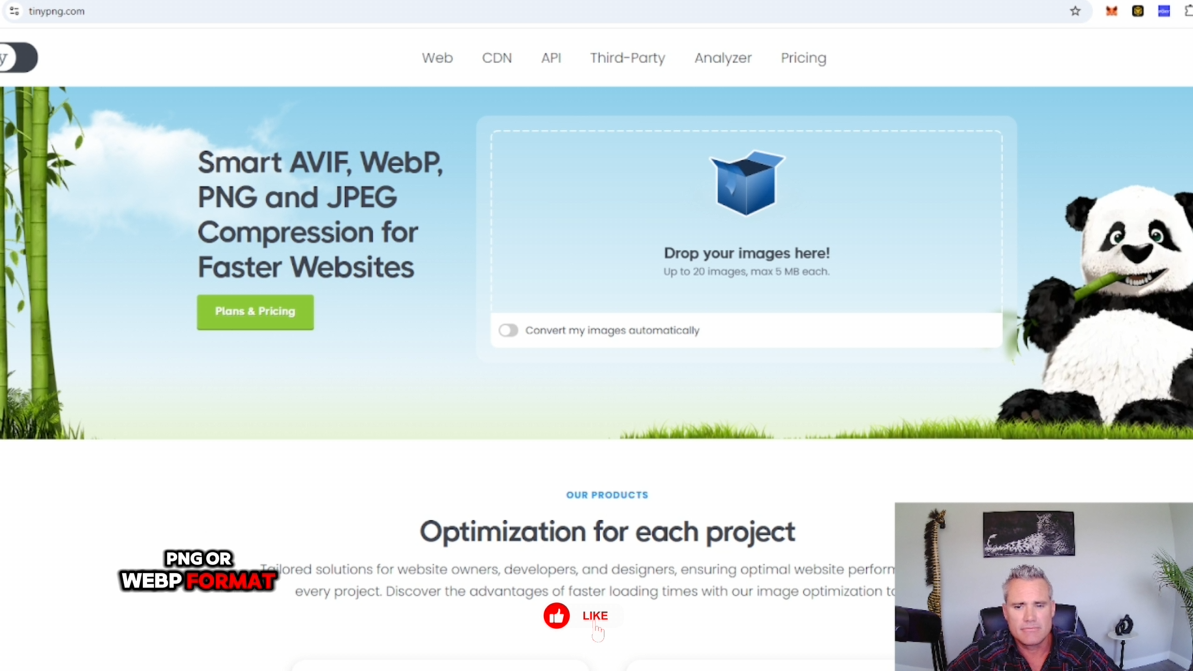
Before uploading any image, compress it using free tools like TinyPNG or convert it to WebP format, which offers high-quality images with smaller file sizes. These tools can reduce file size by up to 80% without noticeable quality loss.

✅ 2. Use Keyword-Rich File Names

Instead of uploading an image named IMG_1234.jpg, rename it with relevant keywords—for example:
???? swimming-pool-installation-utah.jpg

Why? Google uses file names as part of how it understands your page’s content. Don’t miss this simple SEO opportunity.

✅ 3. Add Alt Text for SEO & Accessibility

Alt text (alternative text) describes the image for screen readers and improves accessibility.
It also gives search engines more context about your content.
Example:
Alt Text: Backyard swimming pool installation in Salt Lake City

Alt text should be descriptive, relevant, and include a keyword when appropriate—without keyword stuffing.


???? Final Tip

Image optimization might seem small, but it’s a high-impact step toward better site performance and improved SEO rankings. Fast-loading pages = happier users and better Google rankings.

Want more website optimization and SEO tips?
Follow us or contact our team to take your digital presence to the next level.

Categories
Uncategorized

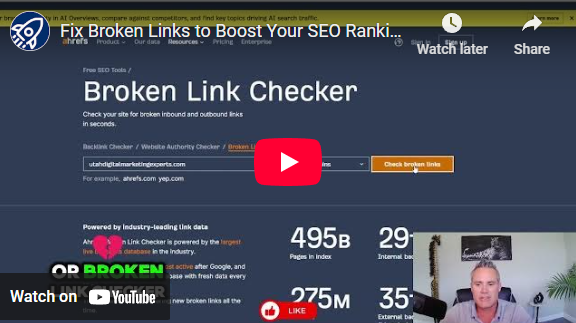
🔗Broken Links Are Hurting Your SEO — Here’s How to Fix Them

If you’re trying to improve your website’s rankings on Google, there’s one simple but often overlooked issue you need to address: broken links.

What Are Broken Links?

Broken links (also known as “dead links”) are hyperlinks that no longer lead anywhere. They might point to a page that was removed, moved without a redirect, or just mistyped. When users or search engines click them, they land on a 404 error page — and that’s bad news for your SEO.

Why Broken Links Matter for SEO

Search engines like Google want to deliver the best experience to users. A site riddled with dead links can signal poor maintenance and result in lower rankings. Additionally, broken links hurt:

  • User experience (nobody likes hitting a dead end)

  • Crawl efficiency (Google may waste crawl budget)

  • Link equity (you lose the value of inbound/outbound links)

How to Find Broken Links

Luckily, identifying dead links is easy with the right tools. Two of the most popular options are:

  • Ahrefs Site Audit: A powerful SEO tool that crawls your website and highlights all broken internal and external links.

  • Broken Link Checker: A free online tool that scans your site for dead links quickly.

What to Do After You Find Them

Once you’ve identified the broken links, you have two main options:

  1. Replace them with updated, working links (if possible).

  2. Redirect them using a 301 redirect to a relevant page on your site.

301 redirects tell search engines that the old URL has permanently moved, preserving most of your SEO value and keeping users on track.

Stay Proactive

Fixing broken links isn’t a one-time job — it’s something you should check regularly as part of your ongoing website maintenance.


Final Tip:
Keep your site healthy. Regularly scan for broken links, fix or redirect them, and watch your SEO performance improve.

Categories
Uncategorized

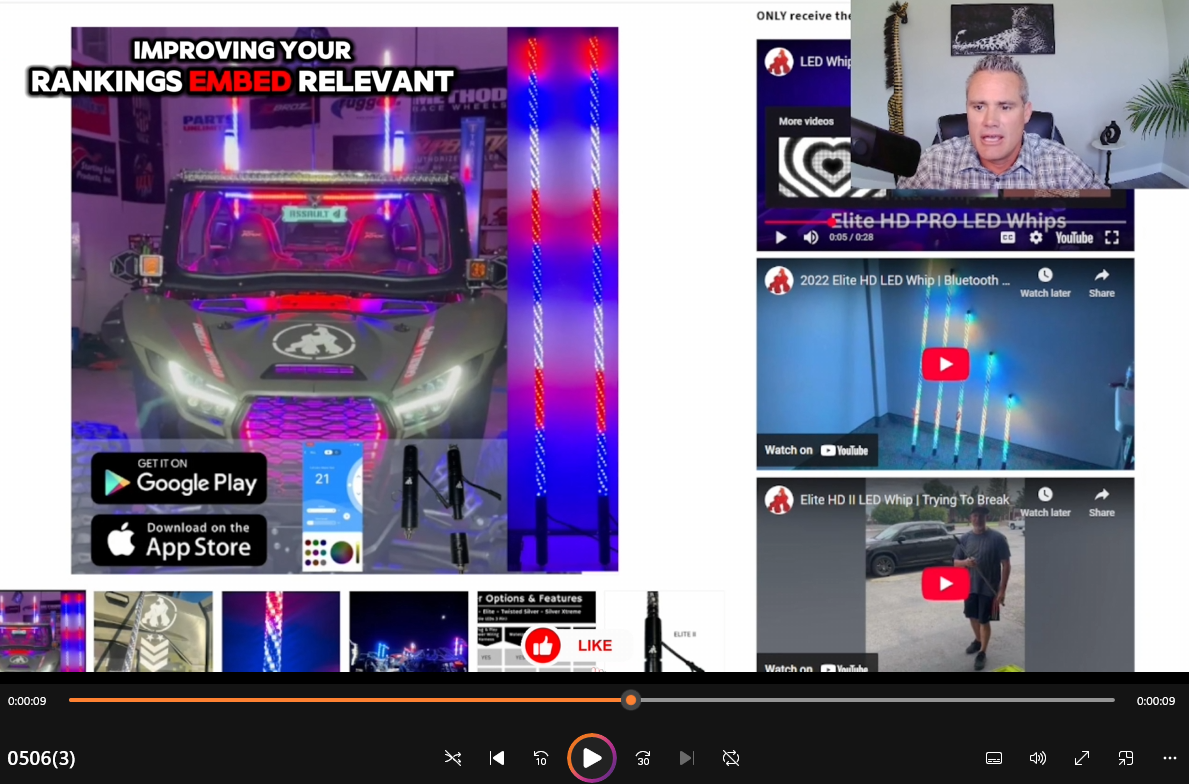
How YouTube Videos Can Boost Your SEO | Website Ranking Tip

Did you know YouTube is the second-largest search engine in the world?
That means people aren’t just watching videos—they’re searching for answers, solutions, and recommendations. And when you strategically use YouTube videos on your website, you can tap into that massive search power to improve your own visibility.

By embedding relevant, high-quality videos into your web pages or blog posts, you can dramatically increase dwell time, boost user engagement, and send positive signals to Google that your content is valuable.

In this quick SEO tip, I’ll walk you through how to:
✅ Use embedded YouTube videos to enhance your website’s performance
✅ Write SEO-friendly titles and descriptions for better search visibility
✅ Transform your video content into a long-term asset that supports your rankings

Whether you’re a small business owner, blogger, or content creator, adding video is one of the easiest ways to strengthen your SEO.

Follow me for more SEO tips, digital marketing insights, and website optimization strategies to grow your traffic and stand out online.

#SEOTips #YouTubeSEO #WebsiteOptimization #DigitalMarketing #SearchEngineOptimization #VideoMarketing #ContentStrategy #RankingBoost

Categories
Uncategorized

Boost Your SEO with Internal Links | Quick Website Optimization Tip

One of the most overlooked yet powerful SEO strategies is using internal links—and it’s easier than you think to implement.

In this quick tip, I’ll walk you through how strategically linking related blog posts and website pages using keyword-rich anchor text can dramatically improve your SEO performance. Internal linking doesn’t just help search engines understand your site structure—it also creates a better user experience by guiding visitors to relevant content and keeping them on your site longer.

By applying this simple technique, you can:

✅ Help Google crawl and index your site more efficiently
✅ Encourage visitors to explore more content and stay longer
✅ Boost page authority and strengthen your site’s topical relevance

Whether you’re running a blog, a local business site, or an e-commerce store, internal linking is a must-have tactic in your SEO toolkit.

???? Looking to grow your traffic and improve your online visibility one step at a time?
Follow me for daily website optimization tips, SEO strategies, and digital marketing insights that actually work.

#SEOtips #WebsiteOptimization #InternalLinks #ContentMarketing #GoogleRanking #DigitalMarketing #OnPageSEO #SEOHacks #SmallBusiness

Categories
Uncategorized

Beginner SEO Tip to Boost Your Website | Step-by-Step Digital Strategy

Struggling to get found online? You’re not alone—and the good news is, it doesn’t have to stay that way.

In this quick video, I’m sharing one simple but powerful SEO tip that can make a real difference in your website’s visibility and help you attract more of the right traffic.

SEO can seem overwhelming with all the technical jargon and constant updates—but I’m here to simplify it. One tip at a time. One step at a time.

???? Whether you’re just starting out or looking to level up your online presence, this series is designed to give you practical, proven strategies you can actually use.

???? Subscribe for more SEO tips, website strategies, and digital marketing insights to help your business thrive online.

#SEOtips #WebsiteStrategy #DigitalMarketing #LocalSEO #MarketingHelp #SmallBusinessGrowth

Categories
Uncategorized

How Utah’s Outdoor Industry Can Thrive with Online Marketing

Utah’s breathtaking landscapes, world-class ski resorts, and endless adventure options make it a magnet for outdoor enthusiasts. From hiking and climbing in Moab to skiing in Park City and paddleboarding on Bear Lake, the state’s outdoor recreation industry contributes billions to its economy. But as consumer behaviors shift more online, even the most rugged, nature-focused businesses must adapt.

This article explores how Utah’s outdoor industry—from gear shops and tour guides to resorts and outfitters—can thrive through strategic online marketing.

Understanding the Online Opportunity

More than ever, people plan their adventures through digital channels. According to Google, over 80% of travelers start their trip planning online. For Utah’s outdoor brands, this presents a golden opportunity to get in front of potential customers before they even set foot in the state.

Whether you’re targeting local adventurers or global tourists, online marketing helps businesses extend their reach, build trust, and turn clicks into bookings or sales.

Build a High-Performing Website

A fast, mobile-friendly, and visually compelling website is the foundation of all online marketing efforts. For the outdoor industry, visuals matter—a lot. Showcasing high-quality photos and videos of your activities, landscapes, or gear in action immediately draws in your target audience.

Your website should include:

  • Clear calls-to-action (book a tour, shop now, contact us)
  • Simple navigation
  • SEO-optimized content that speaks to what your audience is searching for (e.g., “best snowshoe rentals in Salt Lake City”)
  • Customer reviews or testimonials

Ensure your site loads quickly, especially on mobile, and provides an easy way for users to book or buy directly.

Leverage Local SEO

When someone searches for “rock climbing tours near Moab” or “Utah camping gear rentals,” you want to show up in those results. That’s where local SEO comes in.

Key local SEO strategies include:

  • Claiming and optimizing your Google Business Profile
  • Including Utah-specific keywords throughout your website
  • Building local citations and backlinks from Utah-based directories and blogs
  • Encouraging satisfied customers to leave reviews

Local SEO helps your business appear on Google Maps and in local search results, making it easier for nearby customers to find you.

Use Social Media to Showcase Experiences

Social media is a natural fit for the outdoor industry. Platforms like Facebook, Instagram, TikTok, and YouTube allow you to show off real adventures, behind-the-scenes moments, and user-generated content.

Ideas for engaging social content:

  • Short reels of tours or activities
  • Before-and-after shots of hiking spots through the seasons
  • Customer testimonials or action shots
  • “Tips for Your First Utah Hike” style posts

By tagging locations, using relevant hashtags (#UtahAdventures, #ExploreUtah), and collaborating with local influencers, you can grow your reach organically.

Run Targeted Paid Ads

Paid advertising, especially on Google and Facebook/Instagram, can drive immediate traffic and conversions. You can target by demographics, location, interests, and even travel intent.

For example:

  • A Moab tour company could target ads to users in major cities searching “national park trips”
  • An outdoor gear store could retarget past visitors with promotions
  • A ski resort could run early bird season pass deals to regional audiences

The key is to create visually compelling ads with strong offers and clear calls-to-action.

Invest in Content Marketing

Utah’s outdoor lovers are always researching. From the best trails to gear reviews and local events, there’s a huge demand for helpful content.

By blogging regularly or creating video content, your business can:

  • Improve SEO
  • Build authority and trust
  • Capture long-term organic traffic

Great content ideas include:

  • “Top 5 Beginner-Friendly Hikes Near Salt Lake City”
  • “What to Pack for a Winter Trip to Zion National Park”
  • “How to Choose the Right Gear for Utah’s Backcountry”

If you can answer the questions your customers are asking, you’ll stay top-of-mind and earn their trust before they’re ready to buy or book.

Email Marketing Still Works

Many Utah-based outdoor businesses overlook the power of email. But for those who capture leads—whether through bookings, newsletter signups, or contests—email remains one of the highest-ROI channels.

Use email marketing to:

  • Share seasonal offers or new tours
  • Send blog updates or gear guides
  • Offer loyalty perks or insider tips

Personalization and segmentation can help tailor messages to specific customer interests (e.g., hiking gear vs. snow gear).

Collaborate with Other Outdoor Brands

Collaboration helps extend your online visibility and build credibility. Partner with non-competing outdoor businesses, influencers, local bloggers, or even tourism boards to co-create content, host giveaways, or share audiences.

Example partnerships:

  • A gear brand teaming up with a Utah adventure photographer
  • A yoga retreat center collaborating with a paddleboard rental business
  • A local tourism blog featuring your company in their “Top Outdoor Experiences” post

These partnerships often lead to backlinks, social shares, and referral traffic that benefit your business long term.

Track, Test, and Optimize

Online marketing isn’t “set it and forget it.” Use tools like Google Analytics, social media insights, and email reports to track what’s working.

Ask questions like:

  • Which blog posts are getting the most traffic?
  • What ads are driving conversions?
  • Where are users dropping off on your website?

By continuously testing new tactics and optimizing based on data, you’ll get better results over time.

Final Thoughts

Utah’s outdoor industry is rooted in real-world experiences, but thriving today requires an intentional digital presence. From web design and SEO to content and paid ads, online marketing helps local adventure brands connect with the right audience at the right time.

By embracing online strategies, Utah’s outdoor businesses can not only survive seasonal slowdowns—but build sustainable growth for the long haul.


Categories
Uncategorized

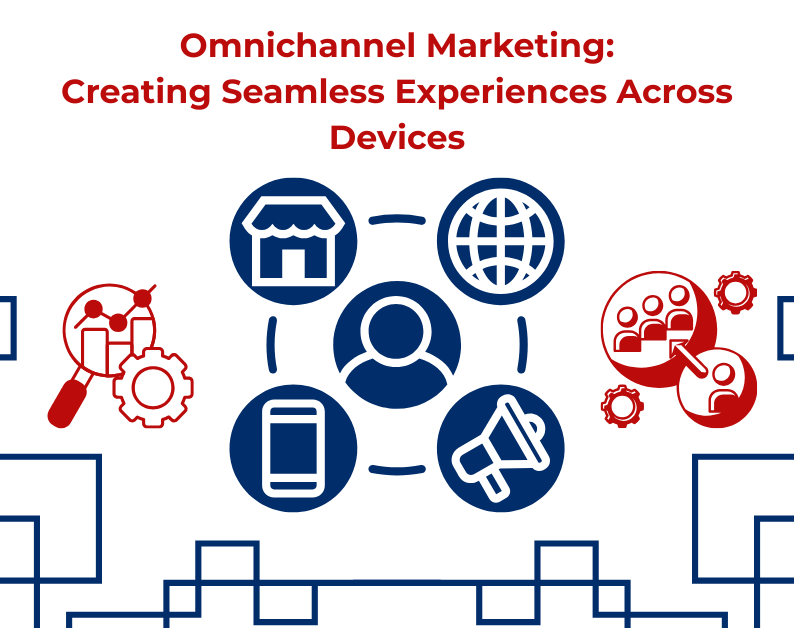
Omnichannel Marketing: Creating Seamless Experiences Across Devices
Omnichannel Marketing: Creating Seamless Experiences Across Devices

Omnichannel Marketing

What Is Omnichannel Marketing?

Omnichannel marketing is a strategic approach that delivers a cohesive brand experience across all digital and physical channels. Unlike multichannel marketing, which may use several platforms independently, omnichannel marketing ensures each platform communicates and connects with others. The goal is to create a unified, customer-centric journey that feels natural and uninterrupted regardless of device or touchpoint. It’s about making every interaction with your brand feel connected, personalized, and relevant.

Why Omnichannel Marketing Matters Today

Consumers Expect Consistency

Modern consumers frequently switch between devices—from desktops to mobile apps to in-store experiences. They expect seamless transitions and consistent messaging. If a brand delivers a promotion via email, customers want to see the same offer on social media, the website, and even in-store. Omnichannel marketing meets these expectations by ensuring that communication remains uniform across all brand channels.

Higher Engagement and Loyalty

Brands that implement an omnichannel strategy see higher engagement rates, increased customer satisfaction, and stronger loyalty. According to research, companies with strong omnichannel engagement retain on average 89% of their customers, compared to 33% for those with weak engagement. With a connected experience, customers feel understood and valued, leading to long-term brand relationships.

Increased Revenue Opportunities

When businesses align their channels, they not only enhance the user experience but also unlock more revenue potential. Seamless experiences reduce cart abandonment, encourage repeat purchases, and allow for more personalized upselling or cross-selling.

Key Components of a Successful Omnichannel Strategy

Unified Customer Data

Start by centralizing customer data. Use a CRM or CDP (Customer Data Platform) to collect and organize interactions across channels. This allows you to understand behaviors, preferences, and pain points. By leveraging this data, you can craft tailored experiences that resonate with your audience.

Consistent Branding and Messaging

Your tone, visuals, and message should be uniform across platforms. Whether it’s a mobile ad, a website banner, or an in-store flyer, ensure that customers immediately recognize your brand. Consistency builds trust and strengthens brand identity.

Channel Integration

Ensure all platforms work together. For example, a customer should be able to start a purchase on mobile, ask questions via live chat, and complete the checkout on a desktop—all without losing progress or context. This type of interoperability between systems enhances the overall shopping experience.

Real-Time Personalization

Use data to personalize experiences based on user behavior. Tailored product recommendations, personalized emails, or dynamic website content can boost conversion and satisfaction. The more relevant the interaction, the more likely a customer is to engage.

Continuous Optimization

Track performance across all channels. Use A/B testing, analytics, and feedback to refine your approach and improve each touchpoint. Optimization is not a one-time effort—it’s an ongoing process that ensures your omnichannel strategy remains effective.

How to Implement an Omnichannel Strategy

Step 1: Map the Customer Journey

Outline every interaction your customers may have with your brand—from discovery to post-purchase. Identify gaps, friction points, and opportunities for improvement. Use this map to design a journey that anticipates user needs and exceeds expectations.

Step 2: Choose the Right Channels

Not every channel is necessary. Focus on where your audience is most active. Common channels include:

Each channel should serve a specific purpose in the customer journey and align with your business objectives.

Step 3: Integrate Your Tech Stack

Ensure your CRM, email platform, analytics, and POS systems are connected. This integration is crucial for real-time data syncing and a smooth user experience. Disconnected systems can lead to inconsistent communication and missed opportunities.

Step 4: Train Your Team

Everyone from sales to customer support should understand how to use omnichannel tools and deliver a consistent brand experience. Provide training, documentation, and cross-channel communication protocols. A knowledgeable team can adapt quickly and provide better customer service.

Step 5: Launch, Measure, Optimize

Start small with a pilot campaign. Monitor KPIs like conversion rate, average order value, and customer retention. Use insights to fine-tune and scale your strategy. The more data you gather, the better you can adjust your approach to meet evolving customer expectations.

Real-World Example: Starbucks

Starbucks is a prime example of omnichannel success. Their rewards app allows customers to order and pay ahead, collect rewards, and receive personalized offers. Users can reload their cards via mobile, desktop, or in-store, with all updates syncing instantly. This creates a frictionless experience that boosts loyalty and sales.

Additionally, Starbucks sends personalized notifications about offers, birthday rewards, and nearby store updates, creating multiple touchpoints that drive continued engagement. It’s a textbook case of how integrated systems and customer data can deliver real value.

Common Challenges and How to Overcome Them

Data Silos

When data is trapped in separate systems, it hinders personalization. Invest in integrated platforms and break down organizational silos. Unified data systems are the foundation of any effective omnichannel strategy.

Inconsistent Messaging

Disjointed content across channels can confuse customers. Develop brand guidelines and approval workflows to maintain consistency. Centralize content management to ensure that messaging stays aligned at all touchpoints.

Resource Constraints

Omnichannel requires effort and investment. Start with your most impactful channels and expand as you grow. Leverage automation tools and partnerships to streamline execution without overextending your team.

Final Thoughts

Omnichannel marketing is no longer optional—it’s essential for brands looking to stay relevant and competitive. From social media marketing management to ppc ads and google ads, an integrated approach ensures you not only meet customer expectations but also foster deeper loyalty and drive long-term growth.

Start small, stay consistent, and let data guide your evolution into a truly omnichannel brand. The brands that succeed will be those that treat every channel not as a silo but as a unified thread in a complete, personalized customer journey.

Schedule your consultation with Utah Seo Experts today to learn how we can create a fully connected marketing strategy for your business.

 

Categories
Uncategorized

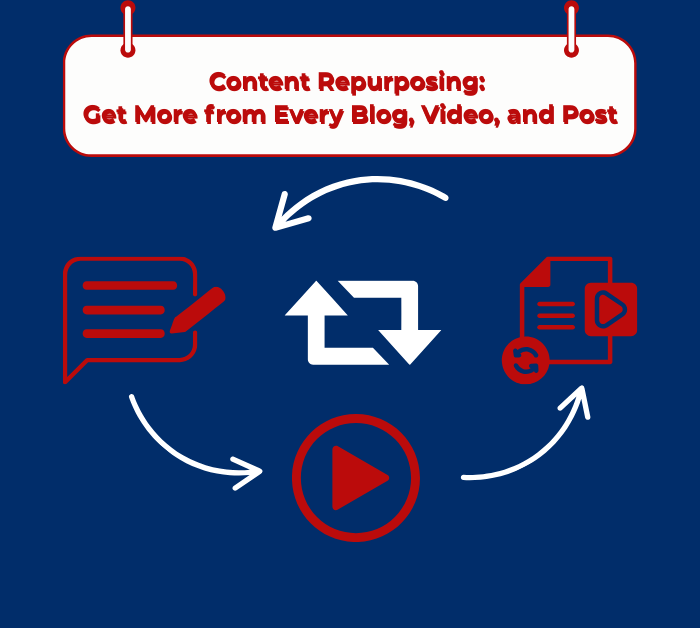
Content Repurposing: Get More from Every Blog, Video, and Post

Content Repurposing: Get More from Every Blog, Video, and Post

Content creation is time-consuming, but its impact doesn’t have to be short-lived. Repurposing content allows businesses to maximize their efforts, reach wider audiences, and improve their return on investment (ROI). By transforming one piece of content into multiple formats, brands can maintain a consistent message while engaging users across different platforms.

Why Content Repurposing Matters

Creating high-quality content takes effort. Instead of constantly producing new material, repurposing allows you to breathe new life into existing content. It extends your reach by catering to different audience preferences—some users prefer reading in-depth blog posts, while others engage better with videos, podcasts, or visual infographics. It also increases visibility by sharing repurposed content across multiple channels, making it more likely to be discovered by a wider audience. Additionally, repurposing saves time and resources, ensuring that your content works harder for you without requiring constant reinvention. From an SEO perspective, updating and republishing content can improve search rankings, drive organic traffic, and boost engagement over time.

Best Strategies for Content Repurposing

Transforming Blog Posts into Multi-Format Content

A well-written blog post doesn’t have to remain just an article. It can be reshaped into various formats to reach different audiences. Shorter excerpts can be posted on LinkedIn as professional insights, while key takeaways can be turned into visually appealing social media graphics. You can also summarize your post in an infographic, making it easier for visual learners to digest the information.

Another effective approach is repackaging blog content into short-form videos where you discuss the main points in an engaging and conversational way. Platforms like youtube ads, instagram ads, and tiktok ads can amplify the reach of these videos to targeted audiences. If the topic is in-depth, consider using it as a foundation for a podcast episode or a webinar.

Converting Webinars & Live Streams into Evergreen Content

Live content offers valuable insights but often has a short lifespan. Instead of letting a webinar or live stream fade into obscurity, repurpose it into multiple formats. The full-length video can be uploaded to YouTube, while key highlights can be edited into shorter clips for social media platforms like Instagram Reels or TikTok. If the discussion contains detailed insights, transcribe and summarize it into a well-structured blog post. Additionally, you can create a downloadable PDF guide or lead magnet based on the session’s main points, offering extra value to your audience while growing your email list.

Refreshing & Updating Older Content

Not all content needs to be completely reinvented—sometimes, updating and enhancing existing content can yield significant benefits. Revisiting older blog posts to update statistics, add recent trends, and refine the message keeps the content relevant and engaging. Expanding sections with additional insights or examples can make the content more comprehensive. Visual elements such as fresh images, updated infographics, or embedded videos enhance readability. Republishing and resharing improved content across social media platforms helps attract new audiences and drive more traffic.

Expanding Social Media Content into Long-Form Pieces

Often, valuable insights shared in short-form social media posts can serve as inspiration for more in-depth content. A popular tweet or LinkedIn post with strong engagement can be expanded into a full-length blog article. Frequently asked customer questions can be addressed in a comprehensive guide or turned into a YouTube Q&A session. Even comment discussions on social media can reveal recurring themes or concerns that merit a dedicated piece of content. By analyzing audience interactions, you can identify opportunities to create content that resonates with your followers on a deeper level.

Tools to Simplify Content Repurposing

  • Canva – Ideal for designing eye-catching infographics and social media visuals.
  • Descript – Simplifies video and podcast editing with transcription features.
  • Grammarly & Hemingway Editor – Help refine written content for clarity and readability.
  • Anchor – Easily converts blog posts into podcast episodes and distributes them.
  • Hootsuite & Buffer – Great for scheduling and managing repurposed content across multiple platforms.


Measuring the Success of Repurposed Content

To ensure your repurposing efforts are effective, track key performance indicators (KPIs). Monitor website traffic to measure how repurposed content drives visitors to your site. Analyze social media engagement metrics such as likes, shares, and comments to gauge audience response. Keep an eye on SEO performance by checking improvements in search rankings for updated blog posts. If you’re using lead magnets, track sign-ups, downloads, or conversions to measure their impact on your marketing strategy. Regularly reviewing these metrics allows you to refine your repurposing approach for maximum impact.

Final Thoughts

Content repurposing is not just a time-saving tactic—it’s a smart, strategic approach to maximizing the value of every piece of content you create. From boosting SEO rankings to expanding your audience reach through social media marketing management and targeted ppc ads, repurposing helps your marketing work harder.

Instead of letting high-quality content fade away, give it new life and extend its impact. Start repurposing today to make the most of your content efforts—schedule your consultation with Utah Seo Experts to plan your next repurposing strategy.


Categories
Uncategorized

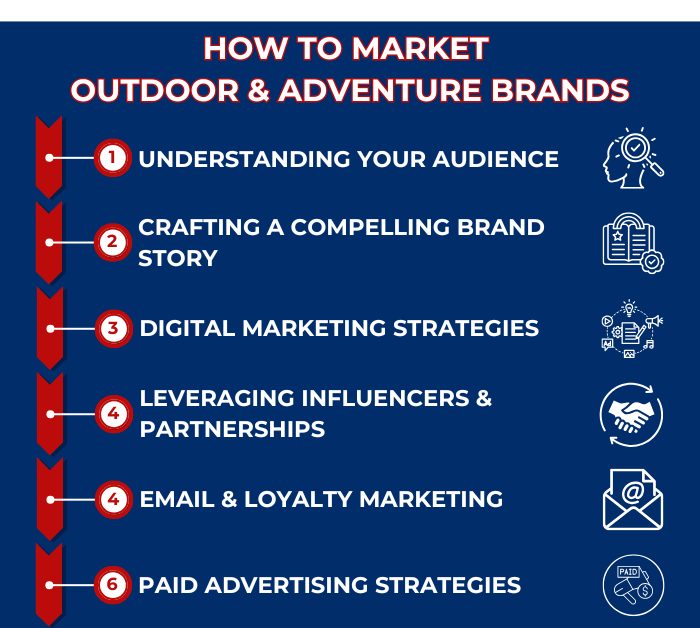
How to Market Outdoor & Adventure Brands

The outdoor and adventure industry is thriving as more people seek exhilarating experiences and high-quality gear. To stand out in this competitive market, brands need a strategic approach that fosters engagement, builds trust, and strengthens customer loyalty. This guide explores key marketing tactics to effectively promote outdoor brands.

Understanding Your Audience

Define Your Ideal Customer

Outdoor enthusiasts vary widely—some are casual weekend hikers, while others are dedicated mountaineers or adrenaline-fueled adventurers. Identifying their skill levels, budgets, and values helps tailor your messaging effectively. Do they prioritize affordability or premium performance? Are they eco-conscious consumers seeking sustainable options? The more you understand your audience, the better you can engage them.

Build a Relatable Brand Persona

Successful outdoor brands connect with their audience on a personal level. Whether you’re catering to family campers, solo backpackers, or extreme sports lovers, crafting a strong brand identity helps create a sense of community and brand loyalty.

Crafting a Compelling Brand Story

Sell an Experience, Not Just a Product

Outdoor marketing is about more than selling gear—it’s about selling an adventure. People are drawn to brands that inspire them. Showcase real-life stories, user-generated content, and behind-the-scenes glimpses of your products in action. When consumers see themselves in your brand story, they’re more likely to engage and convert.

Highlight Sustainability Efforts

With increasing demand for eco-friendly products, sustainability should be a core part of your brand identity. If your products use recycled materials, support conservation efforts, or follow ethical sourcing practices, make these features a prominent part of your messaging. Transparency and authenticity go a long way in gaining consumer trust.

Digital Marketing Strategies

Optimize for SEO & Adventure-Based Searches

A strong online presence starts with search engine optimization (SEO). Optimize product descriptions, blogs, and landing pages with relevant adventure-related keywords like:

  • “Best lightweight hiking boots”
  • “Top waterproof jackets for camping”
  • “Essential gear for rock climbing”

Local SEO is equally important if your brand operates in a specific region. Target location-based keywords to capture nearby adventurers searching for gear and experiences.

Content Marketing: Blogs, Guides & Videos

Publishing valuable content establishes credibility and drives traffic to your website. Consider:

  • Blog posts: “How to Choose the Right Tent for Your Next Adventure”
  • Gear comparison guides: “Top 5 Backpacks for Long-Distance Hiking”
  • Video tutorials: “How to Pack Efficiently for a Weekend Camping Trip”

By consistently sharing insightful content, you build brand authority and nurture a community of engaged followers.

Social Media: Engage & Inspire

Social platforms like Instagram, TikTok, and Pinterest are powerful tools for outdoor brands. Use them to:

  • Post high-quality adventure photography
  • Share short-form videos showcasing gear in action
  • Feature customer stories and testimonials
  • Create interactive polls and challenges to boost engagement

Encouraging user-generated content and branded hashtags helps build a loyal audience and increases brand visibility.

Leveraging Influencers & Partnerships

Collaborating with Outdoor Enthusiasts

Influencer marketing is a game-changer in the outdoor industry. Partnering with outdoor athletes, travel bloggers, and adventure influencers expands your reach and builds credibility. Look for influencers who align with your brand values and have an engaged audience.

Event Sponsorships & Community Engagement

Sponsoring adventure races, hiking groups, or eco-tourism initiatives puts your brand directly in front of passionate outdoor lovers. Hosting outdoor workshops or gear demonstrations fosters brand trust and allows customers to experience your products firsthand.

Email & Loyalty Marketing

Build an Engaged Email List

An effective email strategy keeps your audience informed and connected. Offer incentives like:

  • Exclusive discounts for subscribers
  • Early access to new product launches
  • Free outdoor guides and checklists

Personalized email campaigns with adventure tips, upcoming events, and customer spotlights help maintain engagement.

Implement a Customer Loyalty Program

Reward loyal customers with:

  • Points-based discounts for repeat purchases
  • Referral programs that encourage word-of-mouth marketing
  • VIP perks like access to limited-edition gear or private adventure events

A well-structured loyalty program turns one-time buyers into lifelong brand advocates.

Paid Advertising Strategies

Google Ads & PPC Campaigns

Investing in Google Ads can drive traffic and increase conversions. Target keywords related to adventure gear and experiences, ensuring ads appear when potential customers search for relevant products.

Social Media Advertising

Facebook and Instagram ads allow for precise audience targeting based on interests, behaviors, and location. Video ads demonstrating product durability or adventure footage showcasing real-world usage can be highly effective in capturing attention.

Measuring Success & Optimizing Strategy

Track Key Metrics

To refine your marketing strategy, monitor:

  • Website traffic – Measure organic and paid visitor sources
  • Engagement rates – Assess likes, shares, and comments on social media
  • Conversion rates – Track purchase and sign-up rates from campaigns
  • Customer feedback – Analyze reviews and testimonials to identify improvement areas

Continuous Optimization

Marketing is an ongoing process. Regularly analyze data, identify trends, and adjust your approach. Experiment with different content types, test new advertising strategies, and optimize underperforming campaigns to maximize ROI.

Conclusion

Success in marketing outdoor and adventure brands comes from blending authenticity, storytelling, and strategic digital engagement. By understanding your audience, leveraging influencer partnerships, optimizing SEO, and utilizing targeted advertising, your brand can build strong customer connections and thrive in a competitive market. Embrace these strategies, and your brand will become a trusted companion in every adventurer’s journey.


Categories
Uncategorized

Capitalizing on Local Events: How Utah Businesses Can Drive Engagement

Capitalizing on Local Events

Local events offer an incredible opportunity for Utah businesses to engage with their communities, boost brand visibility, and drive meaningful growth. By aligning marketing strategies with events that resonate with local audiences, businesses can create memorable experiences that foster long-term relationships. In this article, we explore strategies and practical tips for Utah businesses to capitalize on local events and drive engagement.

Building Community Connections

Local events—from festivals and farmers’ markets to sporting events and cultural celebrations—create natural touchpoints where community members come together. For Utah businesses, these events are more than just opportunities to showcase products or services; they are platforms for building authentic connections with potential customers.

  • Enhanced Visibility: Participating in events boosts brand awareness by placing your business at the heart of community activity.
  • Trust and Credibility: Engaging in local initiatives shows that your business is invested in the community, which can build trust and encourage customer loyalty.
  • Networking Opportunities: Local events allow businesses to network with other local vendors, influencers, and community leaders.

SEO and Local Search Benefits

Optimizing content and marketing strategies around local events also plays an essential role in digital marketing. Incorporating keywords such as “Utah local events,” “community engagement in Utah,” and “Utah business events” can improve local SEO, helping businesses rank higher in local search results and attract more regional customers.

Research and Select Relevant Events

Identifying the Right Events

Before diving into event participation, it’s crucial to research and select events that align with your brand values and target audience. Consider the following steps:

  1. Evaluate the Event Demographics: Ensure the event attracts your ideal customer base.
  2. Assess Event Scale and Reach: Decide whether a large city-wide event or a smaller community gathering best fits your business goals.
  3. Determine the Event’s Alignment with Your Brand: Choose events that resonate with your brand’s message and identity.

Using Digital Tools for Event Research

Utilize local event calendars, community boards, and social media platforms to gather information. Tools like Google Trends and local SEO analytics can help you identify trending events and gauge their potential impact on your business.

Pre-Event Promotion

Effective engagement starts well before the event day. Plan your marketing campaign in advance by incorporating the following tactics:

  • Social Media Teasers: Share sneak peeks of your event plans, behind-the-scenes preparations, or exclusive offers using hashtags such as #UtahEvents and #LocalBusiness.
  • Email Campaigns: Send targeted newsletters highlighting your participation and inviting your customer base to visit your booth or participate in your event activities.
  • Collaborations: Partner with event organizers and other local businesses to create joint promotions, increasing your reach and credibility.

During the Event

At the event, your goal is to create interactive and memorable experiences that resonate with the audience:

  • Interactive Booths and Demonstrations: Create engaging, hands-on experiences that allow attendees to interact with your product or service. Consider live demos, workshops, or Q&A sessions.
  • Real-Time Engagement: Use live-streaming and event-specific hashtags to share the excitement on social media. Engaging with attendees in real time can significantly enhance your digital footprint.
  • Incentives and Giveaways: Offer exclusive discounts, freebies, or contest entries to event attendees to encourage immediate engagement and post-event follow-up.

Post-Event Follow-Up

The final step in your event strategy is to maintain the momentum and convert event interactions into lasting customer relationships:

  • Collecting Feedback: Engage with attendees after the event through surveys or social media polls to gather feedback and insights for future improvements.
  • Content Creation: Develop post-event content such as blogs, recap videos, or photo galleries that highlight your business’s active participation and success stories.
  • Building Relationships: Use collected contacts to send personalized thank-you emails and exclusive offers, nurturing the connections formed at the event.

Enhancing Your Digital Presence

A strong digital strategy complements your physical presence at local events. Here’s how to integrate digital marketing with event participation:

Local SEO Optimization

Optimize your website and blog content by including geo-targeted keywords and metadata related to the event. For example, tailor your content around phrases like “Utah local events 2025” or “community engagement in Salt Lake City.”

Content Marketing

Repurpose event experiences into blogs, videos, and social media stories. For broader reach, pair your content with ppc ads or google ads to target new customers.

Social Media Integration

Create an event-specific social media campaign. Utilize platforms like Instagram, Facebook, and Twitter to share user-generated content, event highlights, and behind-the-scenes moments. Encouraging attendees to use a designated hashtag can amplify your reach and drive organic engagement.

Key Performance Indicators (KPIs)

To assess the success of your event engagement strategy, establish clear KPIs that align with your business goals. These might include:

  • Foot Traffic and Lead Generation: Count the number of visitors to your booth or event-specific landing pages.
  • Social Media Metrics: Track engagement metrics such as likes, shares, comments, and hashtag usage.
  • Sales Conversions: Monitor any direct impact on sales or service inquiries resulting from event participation.
  • Customer Feedback: Evaluate customer satisfaction and gather qualitative data from surveys or online reviews.

Continuous Improvement

Analyzing the performance data allows you to fine-tune your strategies for future events. Identify what worked well and areas for improvement to enhance subsequent event engagement initiatives. Regularly updating your approach based on performance insights ensures that your strategies remain effective and adaptive to changing market trends.

Conclusion

Capitalizing on local events presents Utah businesses with a dynamic avenue to drive community engagement, boost brand visibility, and cultivate long-term customer relationships. By researching relevant events, developing a comprehensive engagement strategy, integrating digital marketing tactics, and measuring success, businesses can harness the full potential of local events to fuel growth.

Embracing these strategies not only positions your brand as an active participant in the community but also paves the way for enhanced trust and loyalty among your target audience. As Utah continues to evolve as a vibrant hub of cultural and economic activity, now is the perfect time for businesses to leverage local events to drive engagement and set the stage for future success.

Schedule your consultation with Utah Seo Experts today to build a winning event marketing strategy that drives results.